October 19, 2026
Maintaining the hidden infrastructure beneath our streets and homes is a complex endeavor that demands specialized expertise, extensive planning, and exact precision. When wastewater systems fail, property owners often face significant disruptions that require immediate and highly coordinated intervention to prevent widespread damage. The sheer scope of these subterranean networks means that addressing any malfunction is rarely a straightforward or simple task. Professionals tasked with sewer repair must navigate a labyrinth of complications, from pinpointing invisible leaks to managing environmental hazards. Unlike superficial property damage that can be assessed with a simple glance, underground plumbing issues remain entirely concealed, requiring advanced diagnostic approaches just to understand the true scope of the trouble. Property owners rely heavily on skilled technicians to restore functionality without causing excessive damage to the surrounding landscape or architectural features. Understanding the intricacies of these demanding projects highlights the immense skill, patience, and technical knowledge required to keep modern sanitation systems flowing smoothly and safely.
Locating the Root Cause of the Problem
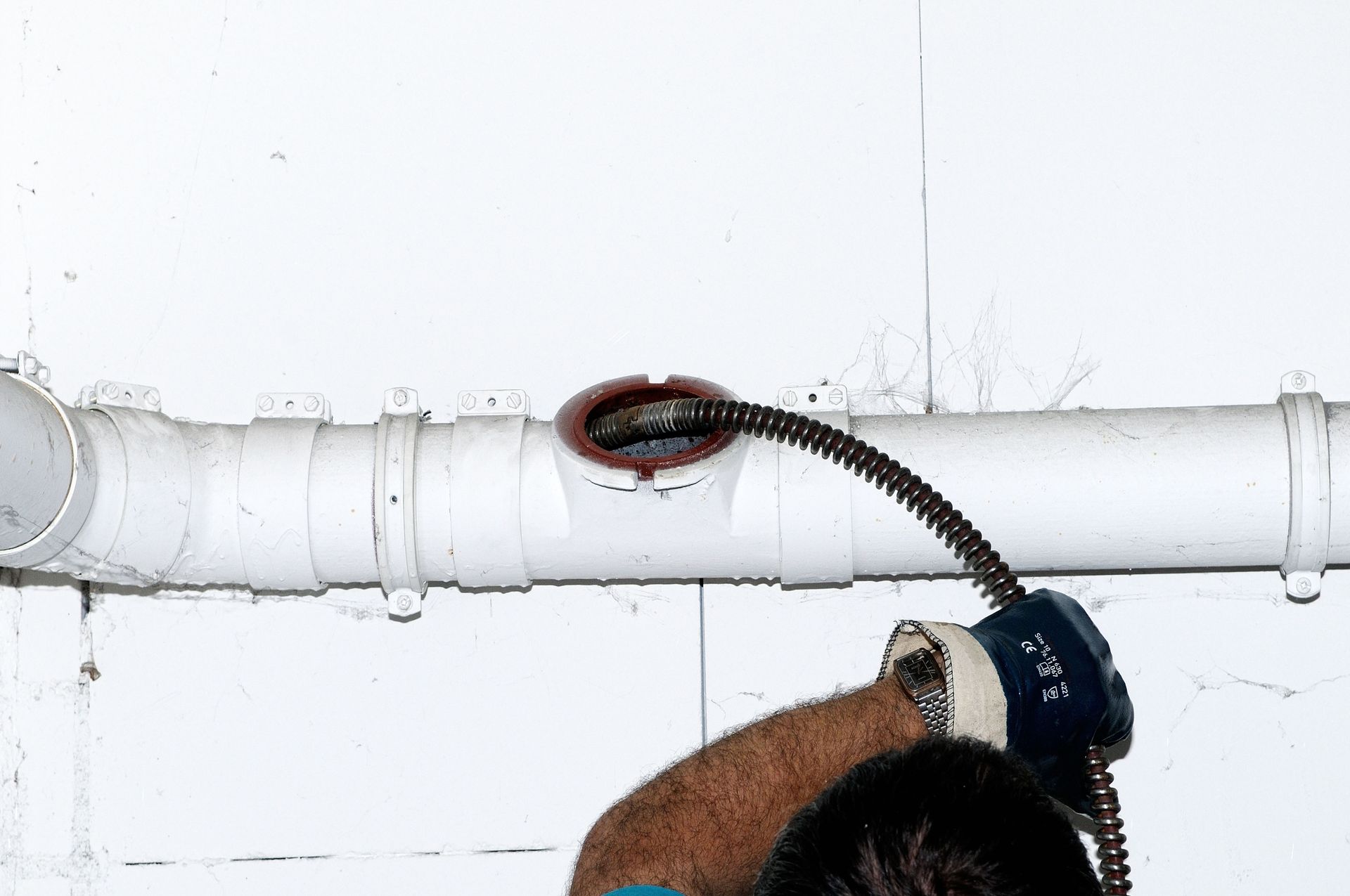
The initial phase of any extensive plumbing restoration project involves accurately identifying exactly where the malfunction originates. Because these systems are buried entirely out of sight, professionals cannot rely on visual inspections from the surface to diagnose the issue. Instead, they must deploy specialized diagnostic tools, such as waterproof cameras, to traverse the dark and damp environment of the underground pipes. These advanced cameras provide a real-time feed, allowing technicians to spot stubborn blockages, invasive tree root intrusions, or structural collapses that are impeding the natural flow of wastewater. This diagnostic step in the sewer repair process is vital because misdiagnosing the location or the specific nature of the blockage can lead to unnecessary excavation and entirely wasted resources. Even with advanced diagnostic equipment, accurately interpreting the visual data requires a trained eye to distinguish between minor surface buildup and critical structural failure. Furthermore, the layout of older properties often lacks accurate underground mapping or blueprints, meaning technicians must sometimes play the role of detectives, tracing lines and estimating pathways based purely on the architectural layout and soil conditions. Precision during this investigative phase sets the firm foundation for a successful intervention, ensuring that all subsequent efforts are concentrated exactly where they are needed most.
Navigating Deep and Confined Underground Spaces
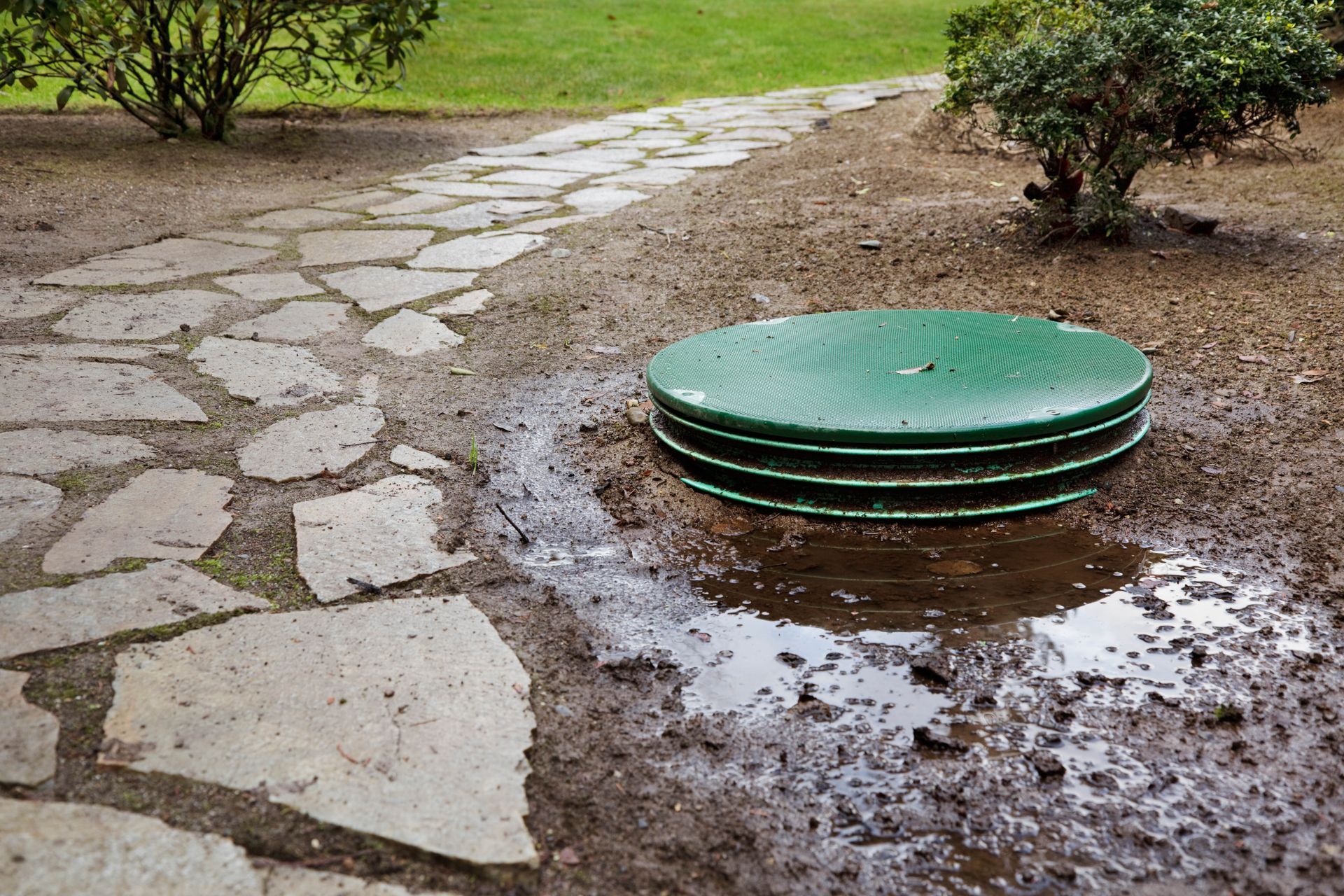
Once the exact source of the underlying issue has been accurately mapped, technicians face the immense physical hurdle of reaching the damaged section of the pipe. Excavating the earth to expose the plumbing requires heavy machinery, careful topographical planning, and an acute awareness of all surrounding utilities. According to This Old House, sewer lines are typically located two to six feet below the ground, but colder climates require deeper pipes. Reaching these depths without compromising the structural stability of nearby foundations or disrupting essential services like gas and electricity lines is an intricate dance. Technicians must secure the excavated area with shoring equipment to prevent sudden soil collapse, ensuring a safe working environment in a confined, potentially unstable space. This aspect of sewer repair demands immense physical labor and strict, unwavering adherence to established safety protocols. Furthermore, properties boasting extensive landscaping, hardscaping, or massive mature trees present additional physical barriers, forcing crews to find creative ways to access the damaged pipes with minimal impact. The sheer depth and obscure location of the infrastructure inherently turn a seemingly straightforward fix into a massive logistical challenge that requires meticulous site management and constant environmental awareness.
Handling Hazardous Materials Safely
Working within active wastewater systems inherently exposes technicians to a wide variety of dangerous biological and chemical hazards on a constant basis. The potent effluent flowing through these pipes contains harmful bacteria, pathogens, and toxic gases that can pose severe, immediate health risks if not managed properly. Professionals undertaking sewer repair must consistently utilize comprehensive personal protective equipment, including respirators and suits, to shield themselves from direct physical contact and the dangerous inhalation of these toxic substances. Beyond personal safety, crews must also work tirelessly to prevent these hazardous materials from accidentally leaking into the surrounding soil or local waterways during the excavation and restoration process. Containing the forceful flow of wastewater while a section of broken pipe is being replaced requires strategic bypassing techniques to ensure the property remains entirely sanitary throughout the project. Technicians are rigorously trained to implement strict containment and decontamination protocols, mitigating any potential environmental contamination or public health crisis. This constant, necessary vigilance against biological threats adds a heavy layer of immense stress and profound complexity to the job. Successfully managing these dangerous elements is a strong testament to the rigorous training and unwavering dedication of the professionals who actively maintain our essential sanitation networks.
Ensuring Long-Term Structural Integrity
Fixing a broken pipe is not merely about stopping an active leak; it is fundamentally about restoring the enduring, reliable strength of the entire sanitation network. When inserting new materials or patching existing underground lines, professionals must ensure that the newly repaired section can withstand soil pressure and continuous water flow. The specific materials selected for the sewer repair must be perfectly compatible with the existing infrastructure while offering vastly superior resistance to corrosion and root intrusion. Technicians must meticulously execute precise joints and watertight seals, as even the slightest misalignment can lead to future leaks and rapid degradation. The surrounding soil must then be carefully, methodically backfilled and properly compacted to provide adequate, lasting support to the newly installed pipe, preventing future ground settling that could easily cause stress fractures. Modern engineering techniques sometimes allow for highly innovative trenchless solutions, such as advanced cured-in-place pipe lining, which effectively creates a structurally sound pipe within a failing pipe. Regardless of the specific technical method chosen, the ultimate operational goal is to provide a highly resilient and entirely permanent solution that will serve the property reliably for many years without ever requiring further disruptive interventions.
Mitigating Community and Environmental Impact
Large-scale plumbing interventions rarely affect just a single property; they very often have rippling effects on the surrounding community and the delicate local environment. Heavy excavation machinery naturally generates significant, disruptive noise, and extensive excavations can easily disrupt normal traffic patterns, block driveways, or sever crucial pedestrian walkways. Dedicated crews must closely coordinate with local municipal governments to secure all necessary construction permits and establish safe detours, minimizing the daily inconvenience to neighbors. Additionally, an effective sewer repair strategy prioritizes environmental preservation by ensuring that absolutely no contaminated soil, debris, or hazardous wastewater runoff ever reaches local municipal storm drains or vulnerable natural habitats. The complex restoration process requires a highly delicate balance between executing the necessary construction rapidly and maintaining a clean, highly respectful footprint in the local neighborhood. Technicians work diligently and carefully to fully restore the affected landscape, replanting grass and precisely repairing decorative hardscapes once the messy underground work is finalized. This holistic, considerate approach ensures that the vital community infrastructure is vastly strengthened without ever leaving permanent scars on the local environment, actively demonstrating a deep respect for both public health and overall neighborhood aesthetics.
Maintaining the critical infrastructure that reliably carries wastewater away from homes and businesses is an undertaking filled with countless logistical, physical, and environmental hurdles. From utilizing advanced diagnostic camera tools to pinpoint completely hidden blockages to safely managing severe biological hazards in unstable excavations, the professionals who handle these demanding tasks perform a truly vital public service. Understanding the intricacies of the sewer repair process deeply underscores the importance of relying on skilled experts when disaster suddenly strikes beneath the surface. Property owners facing persistent drainage issues or suspected underground leaks should not delay in seeking professional assistance. Timely, decisive intervention can easily prevent seemingly minor drainage issues from quickly escalating into catastrophic structural failures that compromise the safety and sanitation of a beloved property. If you are currently experiencing frustrating drainage complications or suspect a serious underground plumbing issue, call R & R Plumbing and Salem Rooter Inc today to learn more about how our expert technicians can restore your system quickly and efficiently.