October 22, 2026
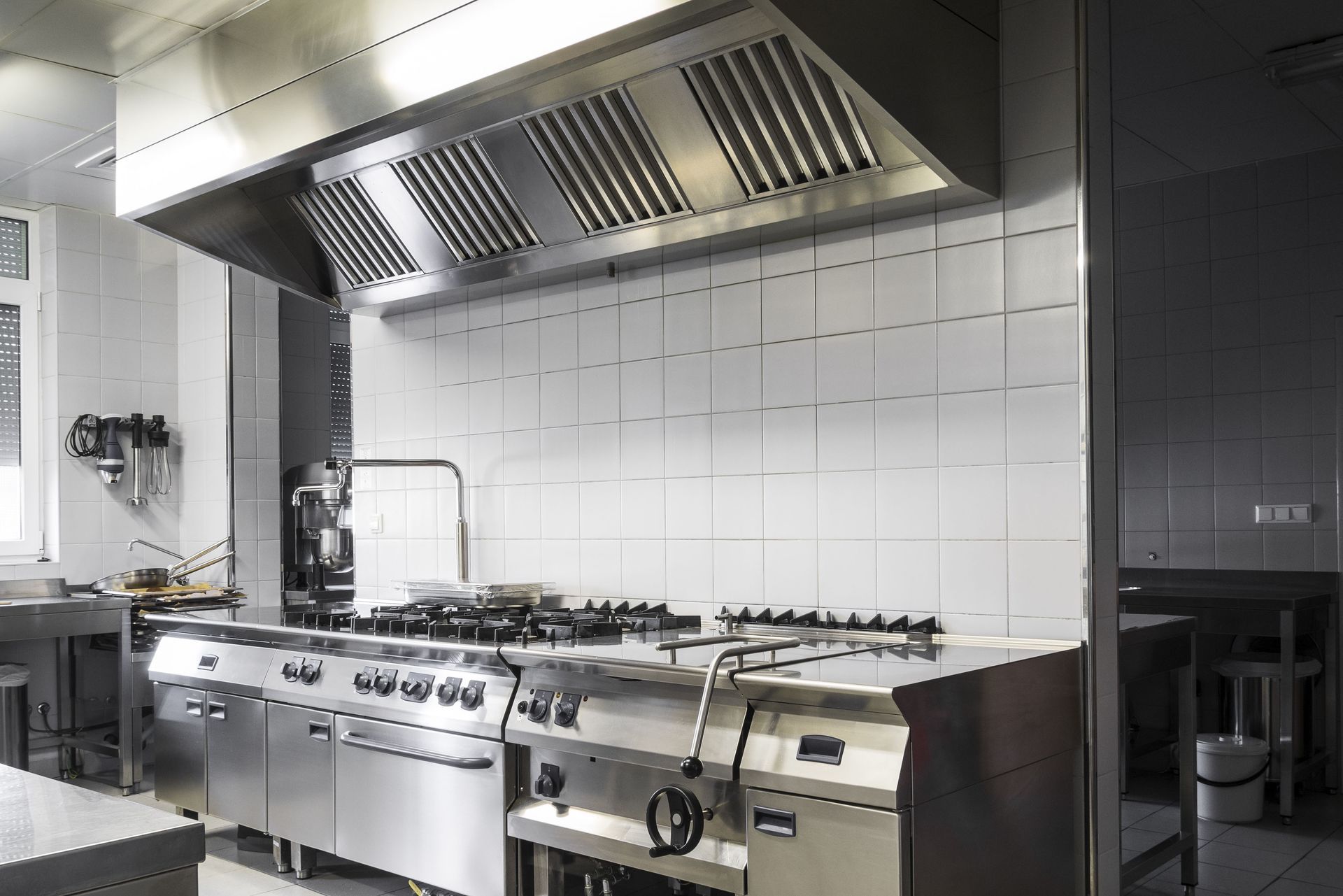
Commercial kitchens generate abundant fats and grease. Without proper management, these substances solidify, causing blockages. A functional grease trap captures byproducts before they enter municipal sewer lines. Facility managers must prioritize routine care to avoid environmental hazards and municipal fines. Proper upkeep ensures continuous kitchen operations without disruptive plumbing failures.
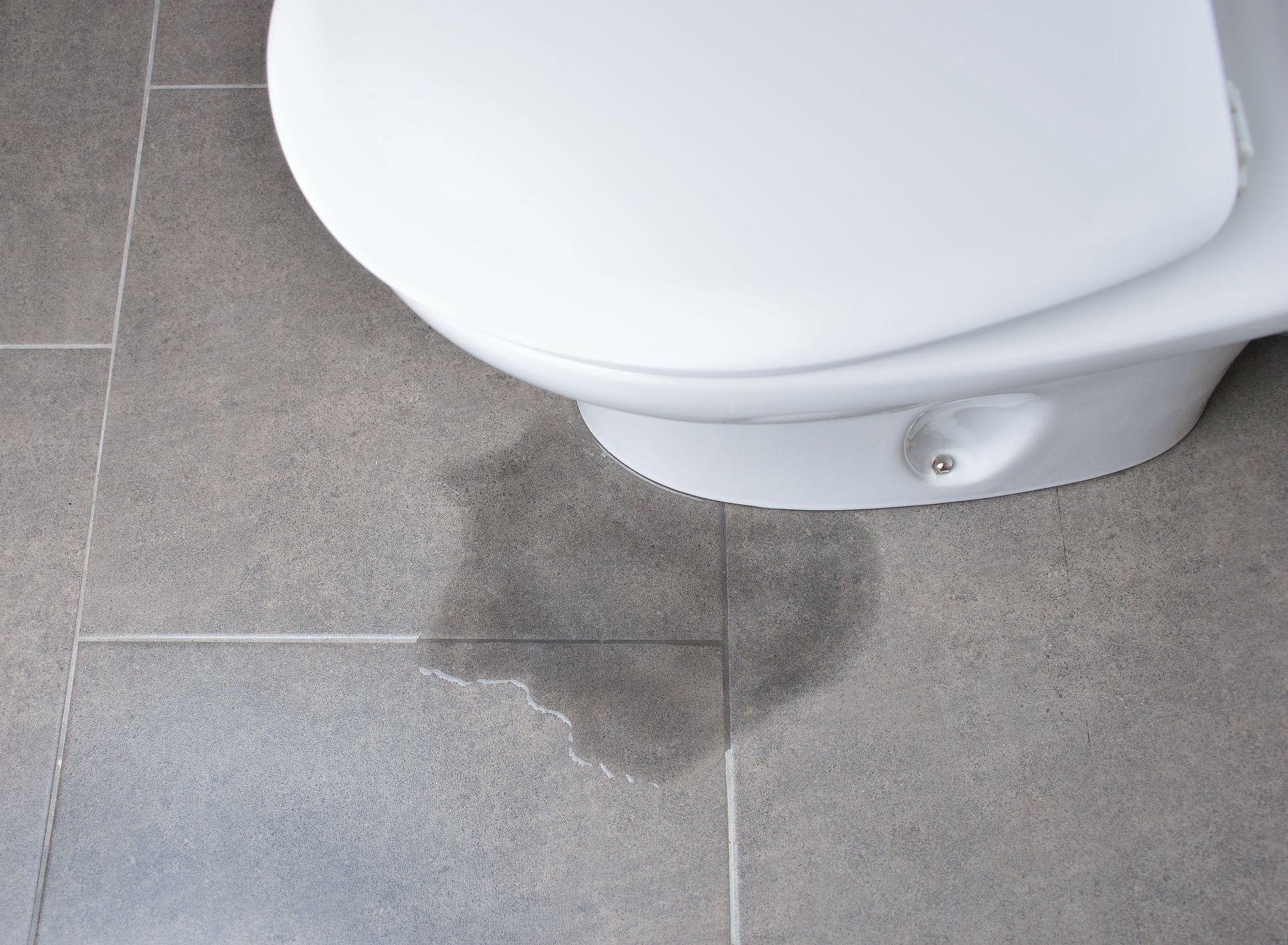
Neglecting these devices leads to foul odors, unsanitary conditions, and potential business closures. Kitchen staff rely on clear drains to maintain health department compliance and safe food preparation environments. Proactive cleaning protocols prevent catastrophic overflows that ruin flooring and damage equipment. When regular protocols fail, structural damage occurs, forcing restaurant owners to contact an emergency plumber for immediate mitigation. Establishing a solid care routine shields establishments from operational disasters.
Understanding Commercial Grease Trap Functions
Grease traps operate on a basic principle of gravity. Fats weigh less than water, causing substances to float toward the surface within the containment tank. Solid food particles sink toward the bottom, leaving clear wastewater suspended in the middle layer. This liquid exits the tank and flows into municipal sewer systems. Understanding this separation mechanism helps personnel appreciate regular cleanings.
As accumulation of fats and solids increases, the middle layer shrinks, reducing overall capacity. If the tank fills with debris, grease spills over into outgoing drainage pipes. Spillage coats the interior of municipal pipes, restricting water flow and creating blockages. City administrators penalize businesses responsible for municipal clogs with steep fines. Monitoring accumulation levels remains a paramount duty for supervisors.
Modern traps range from small indoor units located beneath sinks to massive outdoor underground tanks. Small models serve low-volume establishments like coffee shops or boutique bakeries. Massive interceptors accommodate high-volume cafeterias and food processing plants. Regardless of size or physical location, every unit requires periodic sludge removal to maintain functional flow. Baffles within these tanks slow incoming water for proper separation.
Staff members should recognize physical components of their specific system. Typical units feature an inlet pipe, a flow-regulating baffle, the main settling basin, and an outlet pipe. A secure lid covers the device to contain noxious odors and prevent foreign debris from entering the chamber. Familiarity allows maintenance personnel to spot visible damage in advance. Delaying repairs on damaged baffles necessitates a visit from an emergency plumber to resolve sudden drainage halts.
Establishing Routine Grease Trap Maintenance
Consistent cleaning schedules form the foundation of proper trap care. Managers must determine cleaning frequencies based on production volume and tank capacity. High-volume kitchens require frequent pumping, while smaller cafes suffice with monthly services. The standard rule dictates pumping the unit before grease and solids reach a fraction of total tank volume. Adhering to this capacity rule prevents sudden backups during peak dining hours.
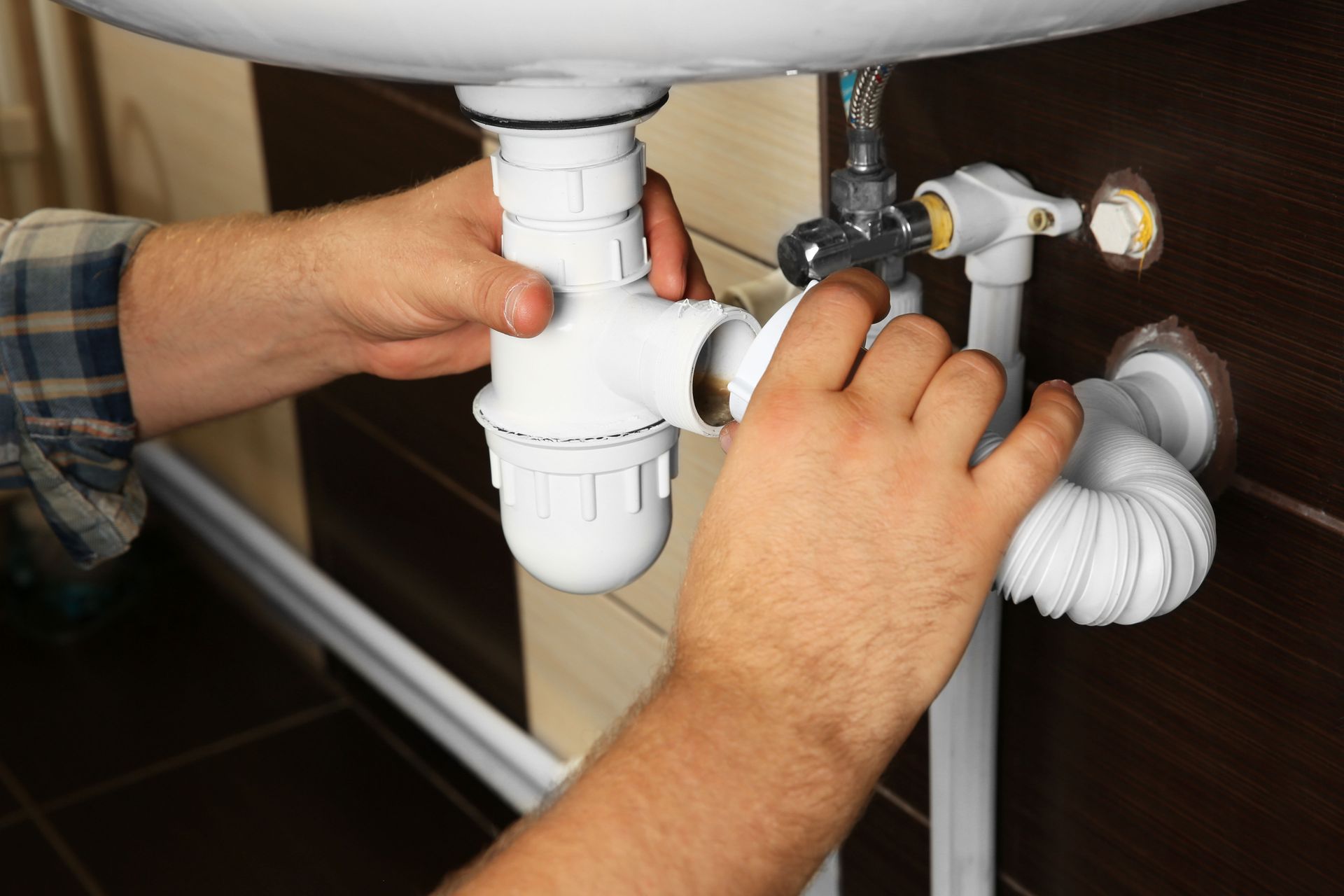
For under-sink units, trained kitchen staff perform manual cleaning. Personnel must wear protective gear, including thick gloves and safety masks, shielding against bacteria. The process involves removing the lid, scooping solidified surface fat, and scraping the sides of the tank. Next, staff remove bottom solids using a specialized shop vacuum. Proper disposal of waste remains crucial, as pouring it back down any drain defeats the purpose.
Large outdoor interceptors demand specialized pump trucks for complete evacuation. Technicians arrive with heavy-duty hoses to suction out liquids, fats, and solid sludge. These professionals inspect the structural integrity of the concrete or fiberglass tank during the pumping process. They check for cracks, corrosion, and root intrusion that might compromise the system. Finding structural flaws during routine pumping prevents major leaks from contaminating surrounding soil.
Record-keeping represents a critical aspect of routine maintenance. Health inspectors request maintenance logs verifying compliance with local sanitation codes. Managers document the date of service, volume of waste removed, and condition of internal components. Detailed records track accumulation patterns, helping businesses adjust schedules during busy seasons. Missing documentation leads to citations or mandates to hire an emergency plumber for compliance inspections.
Identifying Common Grease Trap Complications
Even with diligent care, drainage systems experience occasional issues. A primary indicator of a malfunctioning trap is slow drainage across the kitchen sinks. When water takes longer to exit the basin, it signals a restriction within the lines or the interceptor itself. Workers misdiagnose this issue as a local clog rather than a main system failure. According to This Old House, the six most frequent plumbing issues homeowners face are running toilets, water heater issues, leaking faucets, slow-moving or clogged drains, low water pressure, and jammed garbage disposals. Commercial properties share these identical complications.
Foul odors permeating the kitchen or dining area provide an additional strong warning sign. The decomposing food matter trapped inside the basin generates hydrogen sulfide gas, smelling like rotten eggs. If a lid lacks a proper seal, or if water levels drop, these gases escape into the building. Pervasive smells ruin the dining atmosphere and drive patrons away. Replacing worn gaskets on the lid resolves minor odor leakage.
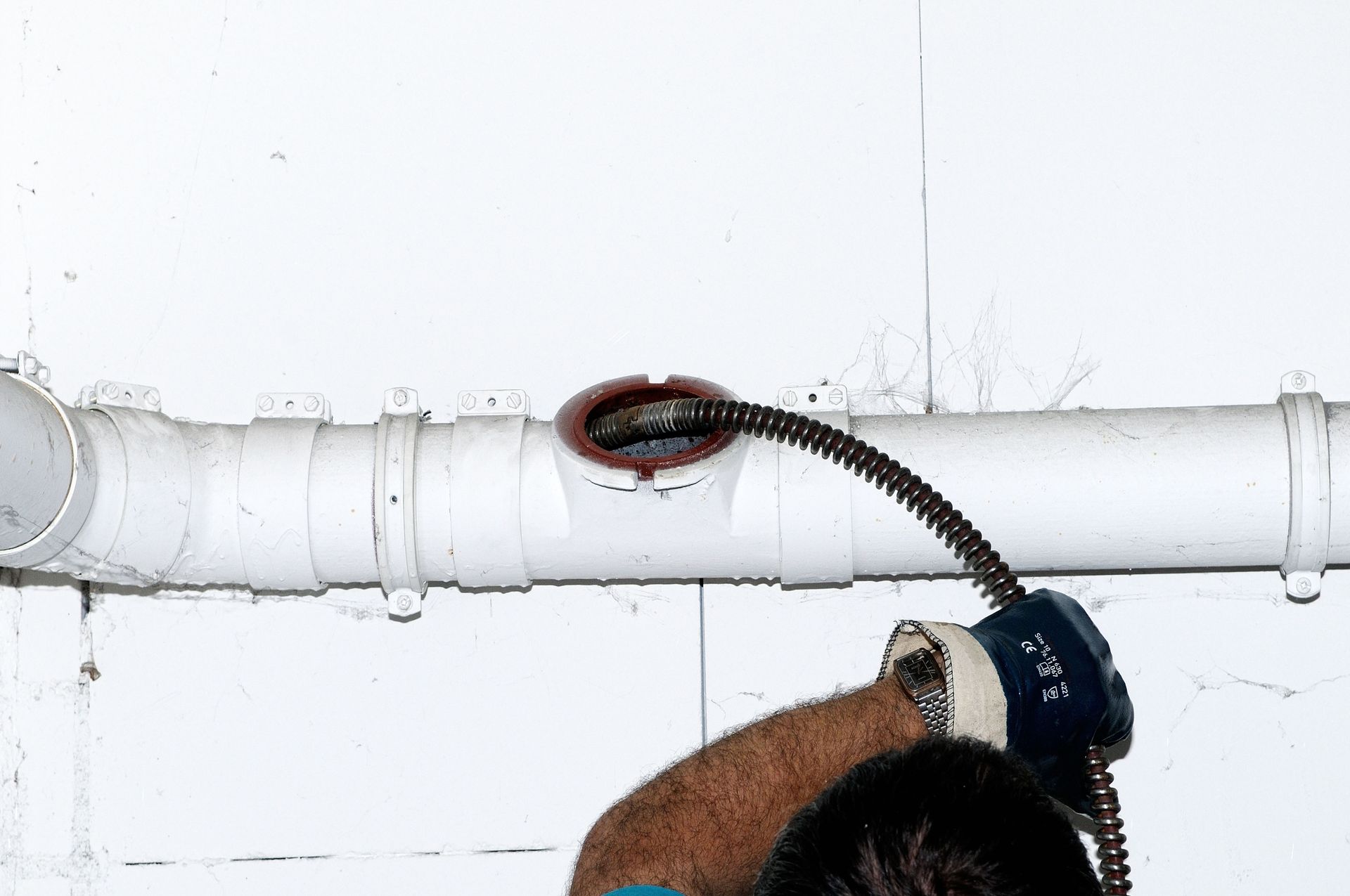
A more severe complication occurs when grease bypasses the trap and solidifies in the main sewer line. This happens when internal baffles degrade or when the tank exceeds maximum capacity. Grease blockages in the main line cause wastewater to reverse direction and erupt from floor drains. Such sanitary disasters require shutting down kitchen operations until health standards are restored. When raw sewage breaches the facility, management must secure an emergency plumber to hydro-jet the lines.
Freezing temperatures present unique challenges for outdoor interceptors during winter months. Extreme cold causes the top layer of fat to freeze into an impenetrable block. This frozen mass expands, potentially cracking the walls of the interceptor or damaging inlet pipes. Facility engineers in cold climates insulate exposed piping and monitor ground temperatures. If pipes freeze solid, an emergency plumber possesses specialized thawing equipment needed to restore flow.
Implementing Preventative Grease Trap Strategies
Prevention begins with educating kitchen personnel about proper waste disposal habits. The effective strategy involves keeping grease out of drains. Cooks scrape plates, pots, and pans into solid waste bins before bringing them to the dishwashing station. Wiping greasy skillets with paper towels removes excess oil that would otherwise wash down the sink. These small changes reduce the organic load entering the plumbing system.
Installing sink strainers offers an additional layer of defense against solid food particles. Fine mesh screens catch rice, meat scraps, and vegetable peels before they enter pipes. Dishwashers empty these strainers into the trash to maintain sink usability. Some facilities employ specialized pre-rinse stations designed to catch debris while using minimal water. Reducing solid waste extends the time needed between interceptor pumping sessions.
Enzyme treatments serve as a supplementary preventative measure for commercial drainage networks. Biological additives contain beneficial bacteria that consume fats and organic matter within pipes. Regular application of treatments helps keep lines clear of sticky residue. Facility managers must understand that enzymes do not replace the need for physical pumping. They aid in maintaining flow and reducing odors between physical cleanings.
Temperature control of the water entering the system plays a vital role in trap efficiency. Boiling water melts grease, allowing it to bypass the trap and solidify further down the municipal line. Kitchens balance the need for hot sanitizing water with functional limits of their grease interceptors. Maintaining appropriate water temperatures ensures fats congeal within the designated holding tank. Neglecting this balance leads to municipal line clogs and inevitable calls to an emergency plumber to rectify the backup.
Investing resources into interceptor maintenance protects the financial stability of food service operations. Shutting down a restaurant due to overflowing sewage destroys revenue and damages brand reputation. Routine pumping, meticulous record-keeping, and staff compliance guarantee smooth operational flow day after day. While unexpected issues arise, a well-maintained system isolates rare problems. Businesses respecting their plumbing infrastructure ensure long-term success and a hygienic environment for employees and patrons alike. If your commercial kitchen experiences a sudden drainage failure, reach out to us at R & R Plumbing and Salem Rooter Inc for immediate assistance. We will send an emergency plumber to resolve the issue quickly and keep your business running smoothly.