September 24, 2026
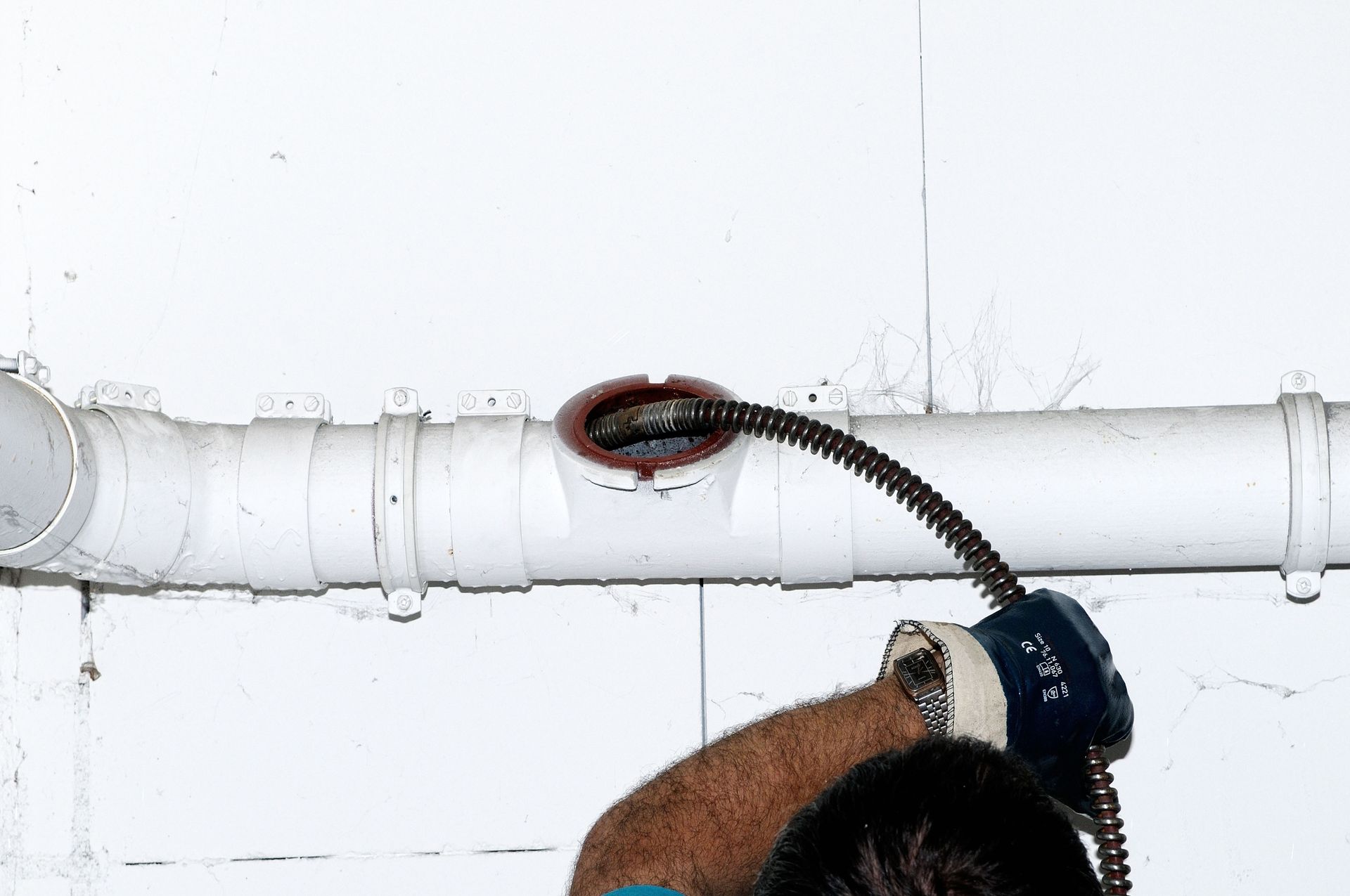
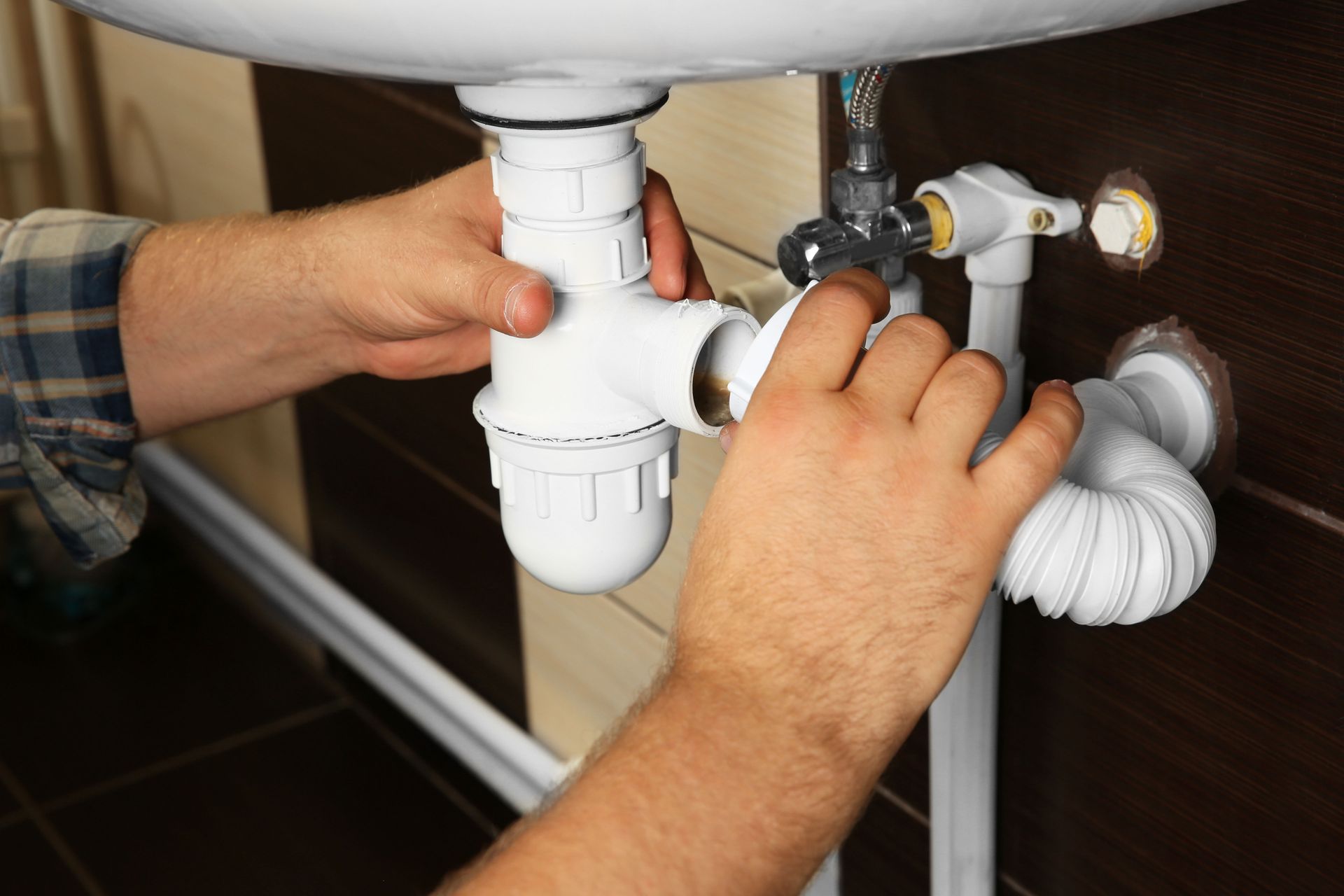
Commercial plumbing systems handle significant amounts of wastewater every day. In an office building, restaurant, retail property, warehouse, or industrial facility, even a minor drainage issue can interrupt normal operations. A main drain blockage may affect restrooms, break rooms, kitchens, floor drains, and other connected fixtures. Because commercial properties often have larger and more complex plumbing systems, warning signs should be addressed before they lead to an operational shutdown. Slow drainage, unusual sounds, wastewater odors, and recurring backups may all indicate a developing restriction. Recognizing these symptoms can help facility managers schedule service before the problem becomes more disruptive. According to Modernize, professional drain cleaning every one to two years may help prevent expensive emergency plumbing repairs. Regular inspections and timely maintenance can support reliable drainage performance throughout a commercial property.
1. Noticing Multiple Slow Commercial Drains
A single slow drain may result from a localized blockage near one fixture. When several drains throughout a commercial property begin draining slowly, the issue may involve a shared branch line or the main drain. Restrooms, employee break rooms, utility sinks, and kitchen fixtures may all show symptoms at the same time. Water may take longer to leave sinks, showers, or floor drains during busy operating hours. This problem can become more noticeable when many employees, customers, or tenants are using the building. Emergency plumbers can inspect the system to determine whether the restriction is located near a fixture or farther inside the commercial drainage network. Professional equipment may be required to identify the blockage and restore proper flow. Addressing the issue early can help limit disruptions to business operations.
2. Hearing Gurgling From Plumbing Fixtures
Gurgling sounds can indicate that air is trapped within a drainage system. A partially blocked main drain may prevent wastewater and air from moving through the pipes normally. As water passes the obstruction, air may be forced backward toward nearby fixtures. Commercial restrooms, floor drains, sinks, and utility areas may produce bubbling or gurgling sounds. These noises may become more noticeable after multiple toilets are flushed or large amounts of water are discharged. Emergency plumbers can evaluate unusual sounds and determine whether they are related to a developing blockage. Ignoring the noise may allow the restriction to become more severe during periods of heavy building use. A timely inspection can help identify the problem before wastewater begins backing up into occupied areas.
3. Seeing Toilets Fill Above Normal Levels
Toilets that rise unusually high after flushing may be affected by a drainage restriction. If several restrooms experience the same problem, the cause may be located in a shared line rather than an individual fixture. Water may drain slowly, bubble in the bowl, or approach the rim before lowering. These symptoms can create sanitation concerns and inconvenience employees, customers, tenants, or visitors. Repeated plunging may provide only temporary relief when the blockage is farther down the system. Emergency plumbers can inspect the affected restroom lines and determine whether the main drain requires professional cleaning. Continued flushing may increase the risk of an overflow if wastewater cannot move through the pipe. Facility managers should restrict use of affected fixtures until the problem has been evaluated.
4. Finding Water in Commercial Floor Drains
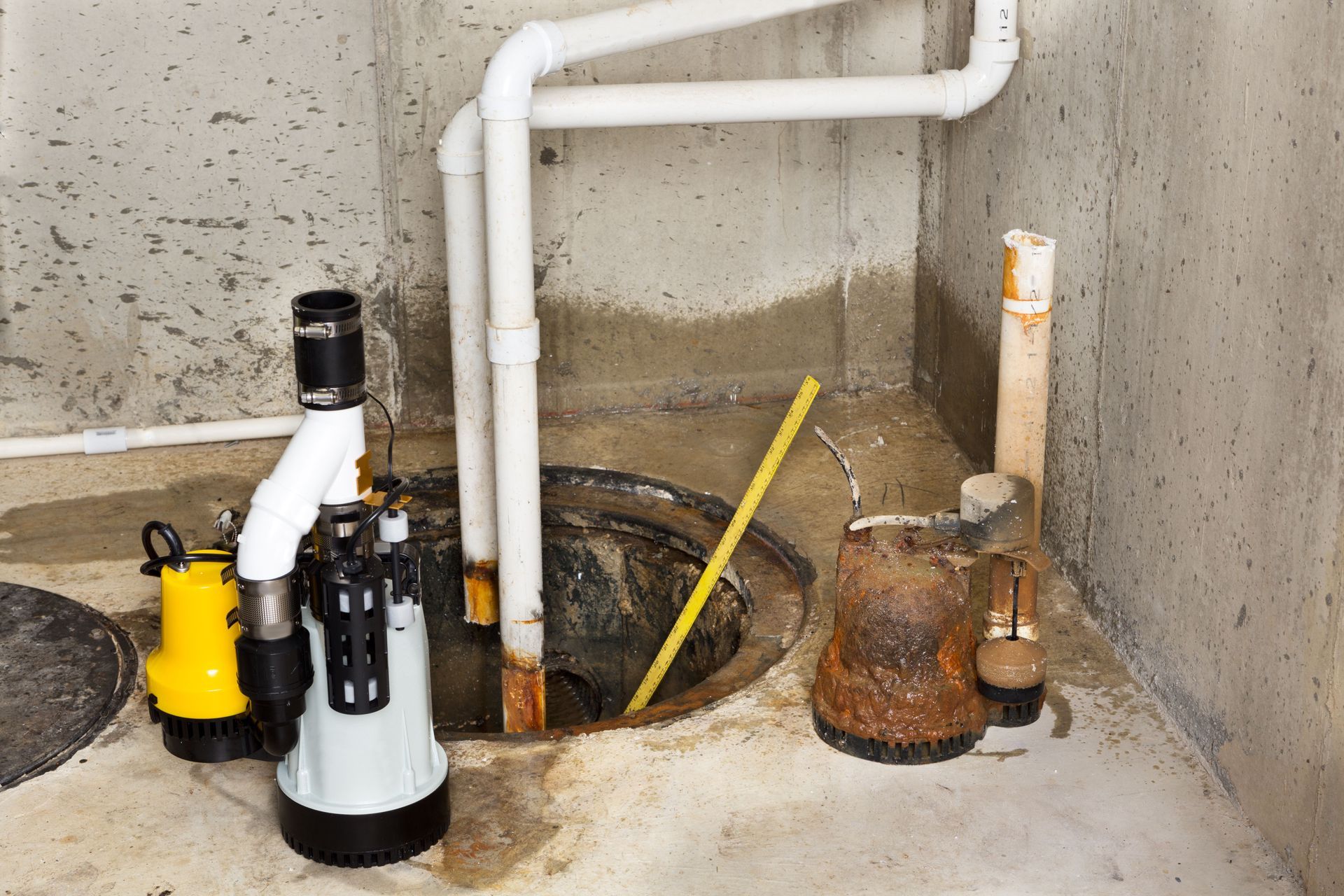
Floor drains are common in restaurants, commercial kitchens, mechanical rooms, laundry areas, warehouses, and other workspaces. These drains may become an outlet for wastewater when a main drainage line is blocked. Water appearing in a floor drain without a recent spill should be treated as a warning sign. The water may contain grease, debris, or other contaminants depending on the type of commercial facility. A backup can damage flooring, stored materials, equipment, and nearby inventory. Emergency plumbers can inspect the floor drain and trace the source of the incoming water. They may also examine cleanouts and connected fixtures to determine how widespread the restriction is. Prompt service can help protect the building and reduce interruptions to daily operations.
5. Detecting Strong Sewer Odors
Persistent sewer odors may indicate that wastewater or gases are not moving properly through a commercial plumbing system. A dry trap, blocked vent, damaged pipe, or main drain restriction can contribute to unpleasant smells. Odors may appear near restrooms, kitchens, utility rooms, floor drains, or exterior cleanouts. The smell may become stronger after toilets are flushed or large amounts of water are released. In restaurants and other customer-facing businesses, sewer odors can negatively affect the working environment and visitor experience. Emergency plumbers can inspect the system for blockages, venting concerns, damaged connections, or other causes. Air fresheners may hide the smell temporarily without correcting the underlying problem. Identifying the source early can help maintain a cleaner and more sanitary commercial space.
6. Observing Wastewater Return Through Drains
Wastewater rising through a floor drain, sink, shower, or other fixture is a serious sign of a drainage failure. It often means that water cannot continue through the main line as intended. In a commercial property, wastewater from one area may appear in another connected location. For example, discharge from a commercial washing machine or kitchen fixture may rise through a nearby floor drain. The water may contain contaminants that create health and safety concerns. Emergency plumbers should be contacted promptly when wastewater begins returning through fixtures. Employees and customers should be kept away from the affected area until the issue is resolved. Professional cleaning and sanitation may also be necessary after the blockage has been cleared.
7. Experiencing Repeated Drainage Interruptions
Recurring drainage problems may indicate that a deeper issue has not been fully corrected. A temporary opening in the pipe may allow water to flow for a short period before the blockage returns. Grease buildup, food debris, mineral deposits, tree roots, or damaged underground piping can contribute to repeated restrictions. Commercial kitchens are especially vulnerable when fats, oils and grease enter the drainage system. Emergency plumbers can inspect the affected line to determine why the same problem continues to occur. A camera inspection may reveal cracks, root intrusion, collapsed sections, or heavy internal buildup. Identifying the cause can help facility managers avoid repeated disruptions and unnecessary service expenses. A long-term solution may involve professional cleaning, pipe repair, or replacement of damaged components.
8. Noticing Problems During Peak Usage
A main drain problem may become more obvious during the busiest hours of a commercial property. Restrooms, kitchens, and utility areas may function normally when water use is low but struggle when several fixtures operate together. A restricted line may not have enough capacity to handle the increased flow. Employees may notice slow drains, bubbling toilets, or water rising in low-level fixtures during peak periods. Restaurants, schools, medical facilities, and large office buildings may experience these symptoms when demand increases. Emergency plumbers can evaluate drainage performance and inspect the main line for restrictions. Reducing water use may limit the immediate symptoms but will not resolve the underlying problem. Scheduling professional service can help prevent peak business hours from turning a developing issue into a major interruption.
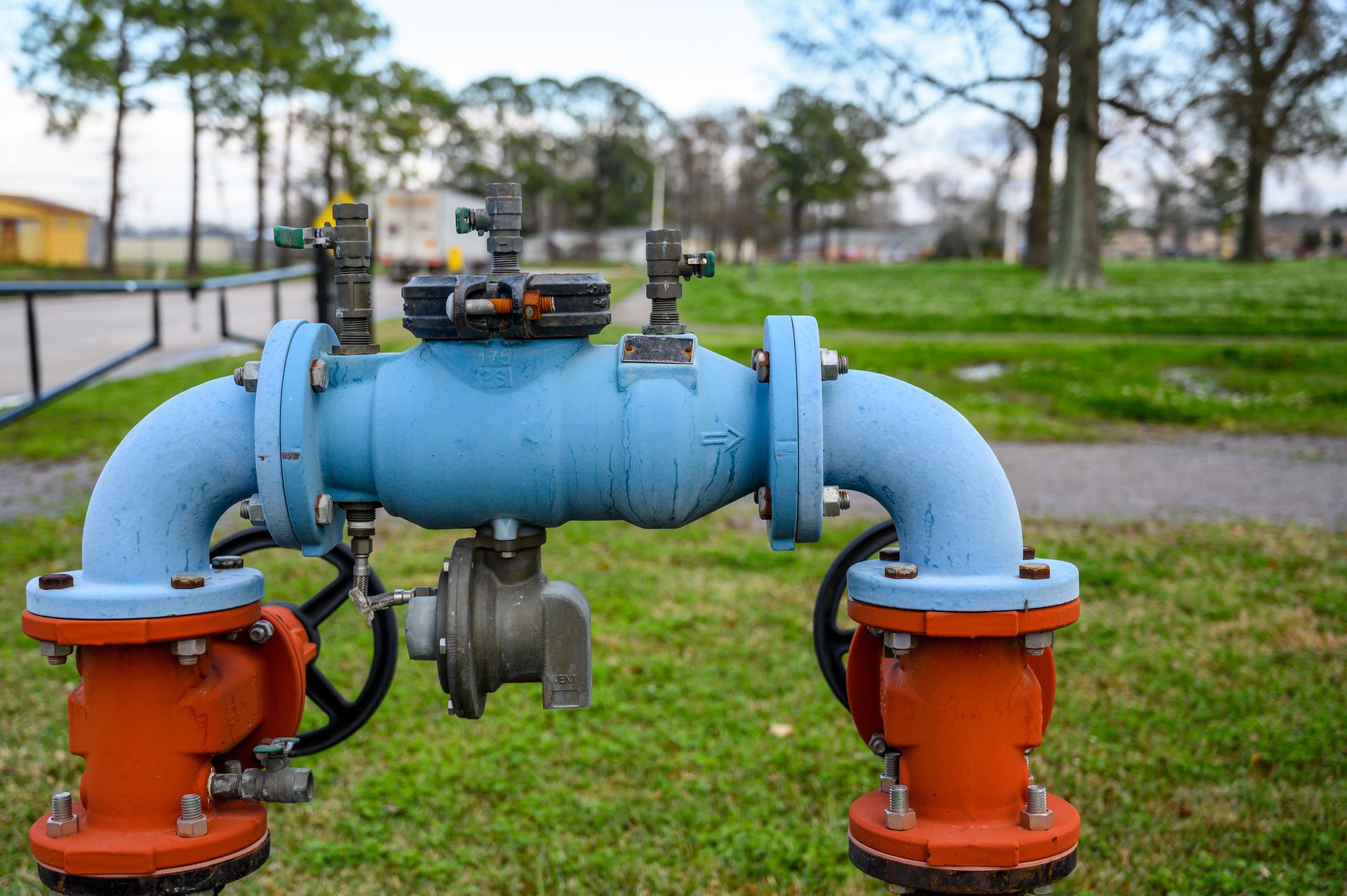
A secretly clogged main drain can affect many areas of a commercial property before a complete backup occurs. Slow drains, gurgling fixtures, high toilet water, floor drain backups, sewer odors, recurring issues, and peak-use problems should all receive attention. Ignoring these symptoms may lead to sanitation concerns, property damage, or interruptions to business operations. Professional service can identify the location of the blockage and determine whether cleaning, repair, or replacement is necessary. Commercial facilities should avoid relying only on temporary solutions when drainage problems continue to return. Emergency plumbers can provide specialized equipment and experience for complex commercial plumbing systems. Early attention may reduce downtime and help keep the property operating safely. Contact R & R Plumbing and Salem Rooter Inc today to schedule commercial drain maintenance or discuss signs of a possible main drain blockage.