July 20, 2026
The significance of updating old plumbing infrastructure cannot be overstated, especially when it comes to safeguarding residential and commercial properties. As systems age, they become highly susceptible to leaks, structural collapses, and severe blockages that disrupt daily routines. Incorporating advanced techniques allows us to address these challenges effectively before they escalate into costly property emergencies. Our team focuses on providing efficient alternatives that reinforce the durability and longevity of your home's infrastructure. By embracing proactive maintenance and modernization, we help ensure your systems operate flawlessly for years to come.
Assessing the Current Condition
Aging plumbing systems face numerous issues that can significantly impede their performance and safety. Corrosion, stubborn blockages, hidden leaks, and structural weaknesses are common problems that arise naturally over time. These issues not only affect the operational efficiency of the system but can also pose significant health risks to the occupants. According to This Old House, a property's foundational plumbing architecture relies entirely on three core systems, which include supply pipes, waste lines, and vents. As these interrelated networks deteriorate, the utilization of modern sewer repairs becomes increasingly critical to restore full functionality and ensure household safety.
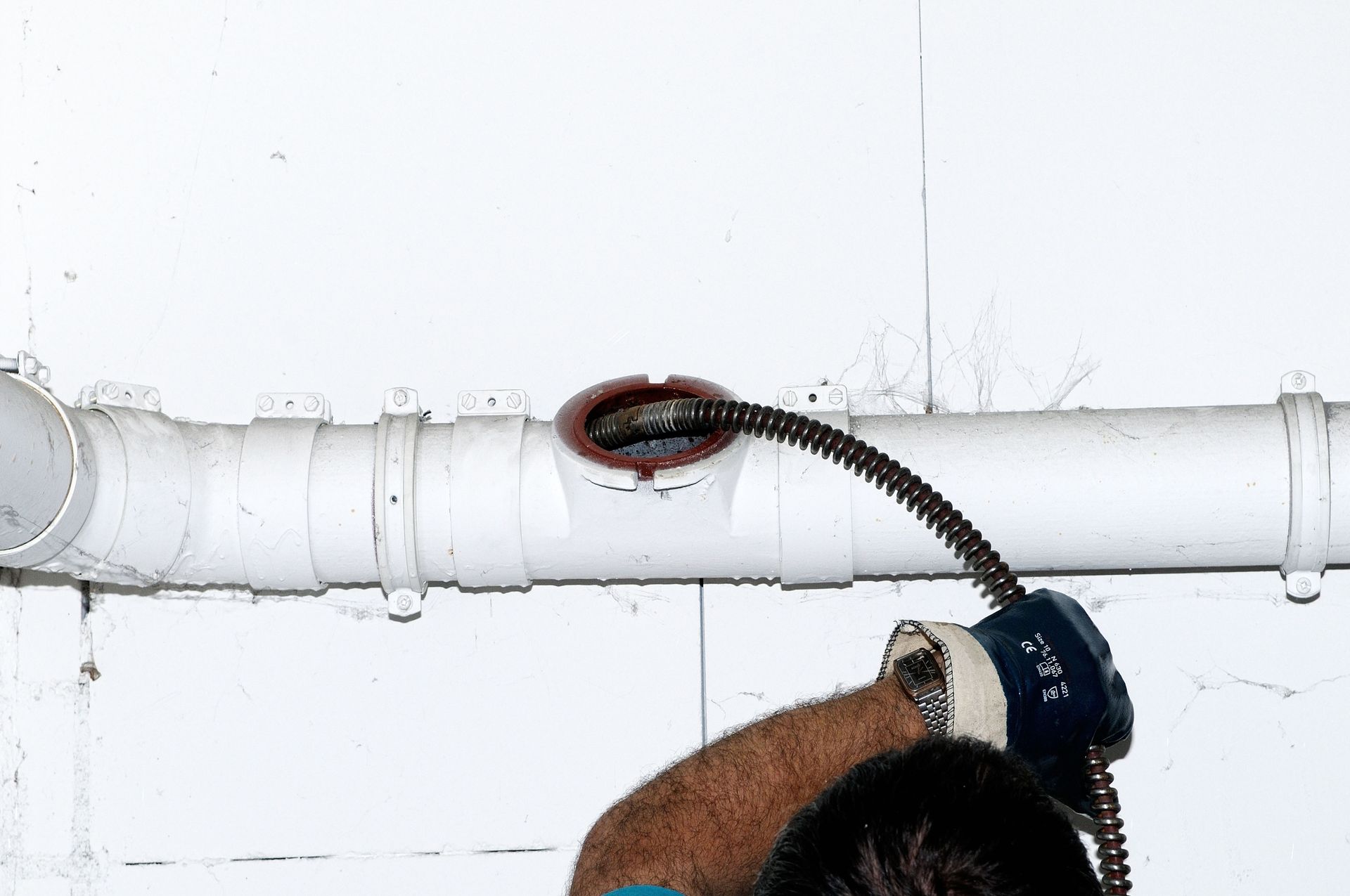
Identifying the exact condition of aging systems involves thorough inspections, often employing advanced diagnostic technologies. These detailed inspections reveal hidden problems, allowing for accurate assessments and strategic planning for upcoming maintenance work. Modern tools like video camera line inspections provide a detailed internal view, highlighting specific areas that require immediate attention. Understanding these structural details helps us prioritize necessary tasks and allocate resources efficiently. Consequently, the integration of modern assessment techniques becomes pivotal in managing aging infrastructure effectively.
Overcoming Historical Infrastructure Challenges
Historically, plumbing infrastructures were constructed using materials and designs appropriate for their time, but these have clear limitations today. Lead and galvanized steel, commonly used in past systems, often corrode internally, leading to a restricted water supply and sudden system failures. Furthermore, the sizing and installation practices of the past might not meet the intense demands of contemporary household requirements. As neighborhoods evolve and grow, aging infrastructures struggle to efficiently serve increasing usage demands. Addressing these historical challenges by executing modern sewer repairs is crucial to adapting older plumbing systems to contemporary expectations and standards.
Older plumbing systems often did not account for future environmental shifts or technological developments. Rising environmental concerns and rapid advancements in technology demand more resilient infrastructure solutions than ever before. Failure to update these systems can result in highly inefficient operations and steadily increasing maintenance costs. Moreover, such systems are typically incompatible with newer fixtures aimed at improving efficiency and sustainability. Bridging this gap requires a thoughtful integration of new materials and techniques that align with historical infrastructure frameworks while meeting contemporary needs.
Combating the Impact of Time and Environment
Time and environmental factors significantly contribute to the deterioration of plumbing systems, necessitating modern interventions. Water acidity, changing soil conditions, and intense temperature fluctuations can accelerate material degradation, causing frequent leaks and blockages. Prolonged exposure to harsh conditions further weakens infrastructure components, increasing standard maintenance demands. Without proactive measures, aging systems face compounding deterioration risks amid changing environmental conditions. Implementing timely modern sewer repairs is vital to counteract these influences and preserve standard plumbing functionality.
Environmental considerations extend beyond physical degradation, encompassing the ecological impacts of outdated systems. Leakage and system inefficiencies contribute to massive water waste, further stressing limited resources and elevating monthly utility costs. Aging plumbing systems may also release harmful substances into the surrounding environment, posing threats to public health and local ecosystems. Modern repair techniques address these concerns by implementing eco-friendly materials and methods that minimize resource consumption. These innovations not only extend the lifespan of systems but also promote environmentally responsible practices.
Addressing Regulatory Failures and Oversights
Addressing the state of aging plumbing systems requires understanding regulatory frameworks that have failed to keep pace with infrastructure needs. Many local regulations have lagged far behind technological advancements, leaving older systems vulnerable to inefficiencies and safety risks. Regulatory gaps often result in inadequate resources being allocated for proper maintenance and upgrades, exacerbating infrastructure decline. Enhanced oversight is necessary to ensure that local policies adequately support modern standards and practices. Only by aligning regulations with current infrastructure demands can we effectively manage aging systems.
Numerous barriers prevent the successful implementation of updated regulatory standards in plumbing infrastructure. Budget constraints, natural resistance to change, and conflicting interests can impede policy reforms, hindering structural progress. These challenges underscore the need for concerted advocacy and collaboration between professionals to drive regulatory updates. Ensuring that such regulations align with best practices and include compliance incentives is essential to encouraging system modernization. Ultimately, initiating policy reforms opens avenues for increased investment and technological integration, strengthening sewer repairs across communities.
Evaluating the Future Outlook
Neglecting necessary upgrades for aging plumbing systems can have severe consequences for future property planning and development. With growing suburban populations, the demand on household plumbing systems will continue to increase, exacerbating existing inefficiencies. Without strategic interventions, projected failures may lead to costly emergency fixes and unexpected service interruptions. Proactively adopting modern sewer repairs mitigates potential disruptions, ensuring functional and sustainable systems for future generations. Addressing current infrastructure needs lays the groundwork for a resilient property future.
The future of plumbing infrastructure heavily depends on foresighted investments in innovative technologies and materials. Current trends point toward a shift in focus from emergency responses to preventive maintenance and strategic planning. Investment in modern repair techniques is a sound financial decision, offering long-term cost savings and reliability improvements. As neighborhoods evolve to accommodate growing populations, implementing sustainable infrastructure solutions becomes imperative. Encouraging homeowners to prioritize modern sewer repairs ensures that they are adequately prepared to meet future challenges and demands.
Implementing Innovative Materials
Advances in material science have paved the way for more resilient and effective sewer repairs. Modern solutions include materials such as cured-in-place pipe liners and thermoplastic liners, which provide robust alternatives to traditional materials. These innovative materials offer enhanced performance characteristics, including increased flexibility, chemical resistance, and load-bearing capabilities. Their application in modern plumbing enables the structural reinforcement and rehabilitation of compromised piping systems. Ultimately, embracing these materials reduces the frequency of necessary repairs and extends system longevity.
The use of advanced liners is a popular choice in trenchless repair methods, offering significant advantages over conventional pipe replacement. The process involves inserting a flexible liner saturated with resin into an existing pipeline, forming a new, corrosion-resistant pipe within the old one. This technique minimizes excavation requirements, reducing both repair time and associated disruption to the surrounding landscape. By eliminating the need for extensive digging, these advanced material systems enable more efficient and sustainable repair methodologies. Consequently, adopting these materials supports cost-effective, minimally invasive repair solutions.
Enhancing Durability and Longevity
The longevity of plumbing systems is significantly bolstered by the implementation of advanced materials like contemporary liners. Traditional materials such as clay and cast iron often experience rapid degradation, leading to leaks and reduced efficacy over time. Contrastingly, modern materials are engineered to withstand environmental stressors, ensuring longer operational life cycles. Enhanced durability lessens the need for frequent sewer repairs, translating to substantial cost savings in system maintenance budgets. Emphasizing material longevity as a repair priority ensures infrastructure reliability well into the future.
Advanced materials boast increased resistance to chemical reactions and physical stressors, a critical feature that prevents deterioration within plumbing environments. For example, thermoplastics resist corrosion, microbial activity, and chemical exposure, all of which can degrade traditional plumbing infrastructure. These improvements translate to a reduced risk of system failures, safeguarding health and enhancing operational efficiencies. By enhancing infrastructure durability through modern materials, we maximize investment returns and prevent unforeseen repair expenses. As plumbing systems face ongoing environmental challenges, the superior resilience of modern materials ensures continued efficacy and safety.
Maintaining an aging plumbing infrastructure demands a forward-thinking approach that prioritizes efficiency, durability, and technological innovation. By understanding the condition of our systems and addressing historical challenges, we can implement targeted solutions that safeguard our properties and environments. Embracing advanced materials and technological innovations equips us to build plumbing networks capable of meeting modern demands. For premier solutions involving fixture installation, commercial plumbing, and comprehensive pipeline care, we invite you to reach out to R & R Plumbing and Salem Rooter Inc today to secure your property's operational health.