April 20, 2026
Sewer line problems create urgent situations affecting home habitability, requiring prompt professional attention and often extensive property disruption during repairs. Many homeowners face sewer issues unprepared for the decisions, costs, and disruptions that repairs entail without prior knowledge. Understanding what sewer repair involves helps you navigate the process more effectively, making informed decisions about options and contractors. The difference between smooth repair experiences and problematic ones often comes down to knowing what to expect beforehand. Learning essential information about sewer work empowers you to prepare adequately, ask appropriate questions, and ensure repairs proceed successfully without surprises.
Understanding Your Sewer Line Location and Depth
According to This Old House, sewer lines are typically located two to six feet below the ground in most areas. Knowing where your sewer line runs helps you avoid planting trees with invasive roots, planning additions, or installing features that might complicate future access. This location awareness proves particularly important when landscaping, as roots cause many sewer problems requiring expensive repairs to address damage and blockages. The property maps and utility records that some municipalities maintain show approximate sewer locations, though professional camera inspections provide exact routing information. Before sewer repair begins, professionals locate lines precisely using cameras and locating equipment, ensuring excavation occurs in the correct locations without damaging other utilities. They mark lines clearly, coordinate with utility companies, and ensure all underground infrastructure receives protection during excavation and repair work throughout properties.
Recognizing Warning Signs Requiring Immediate Attention
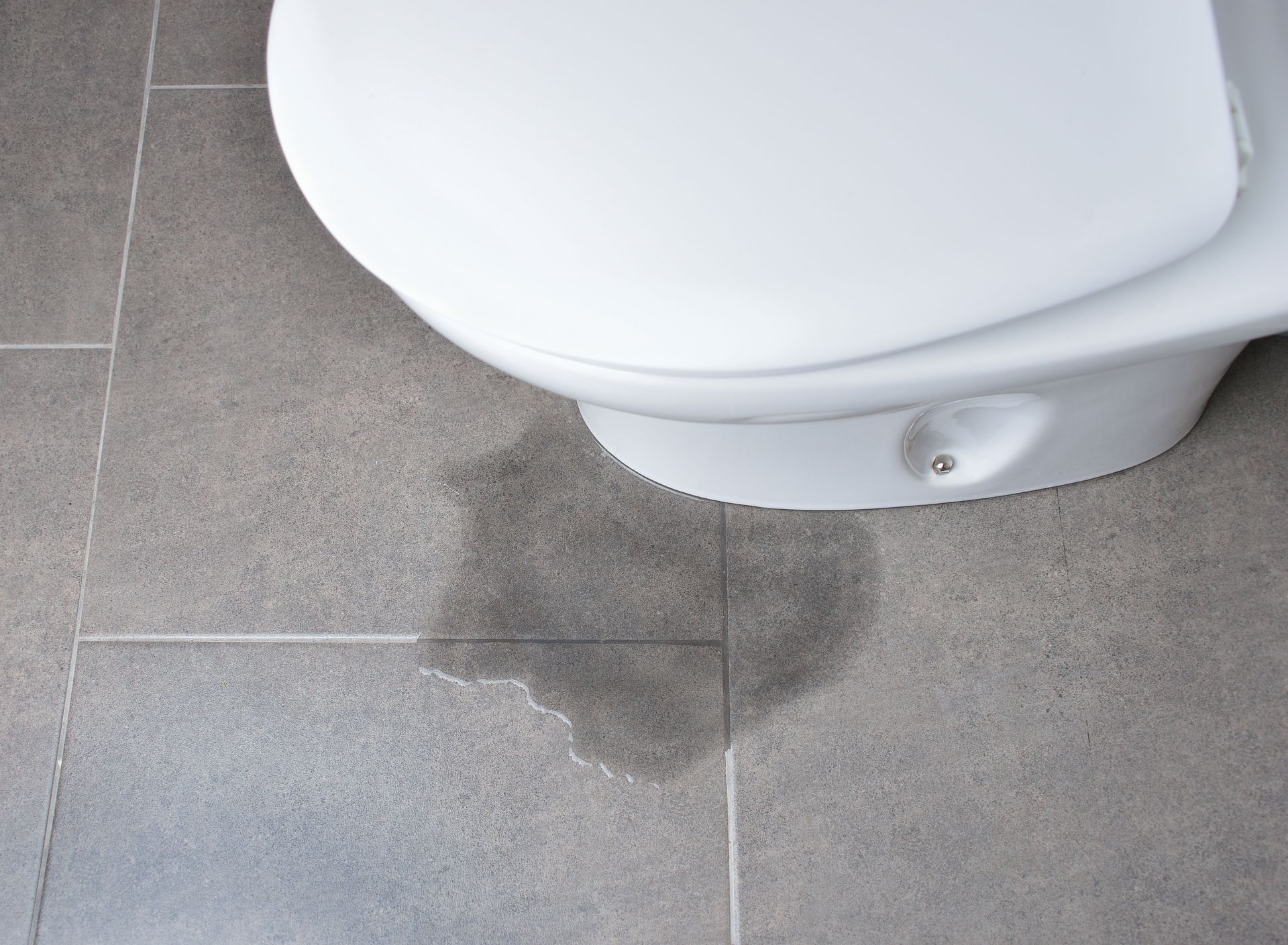
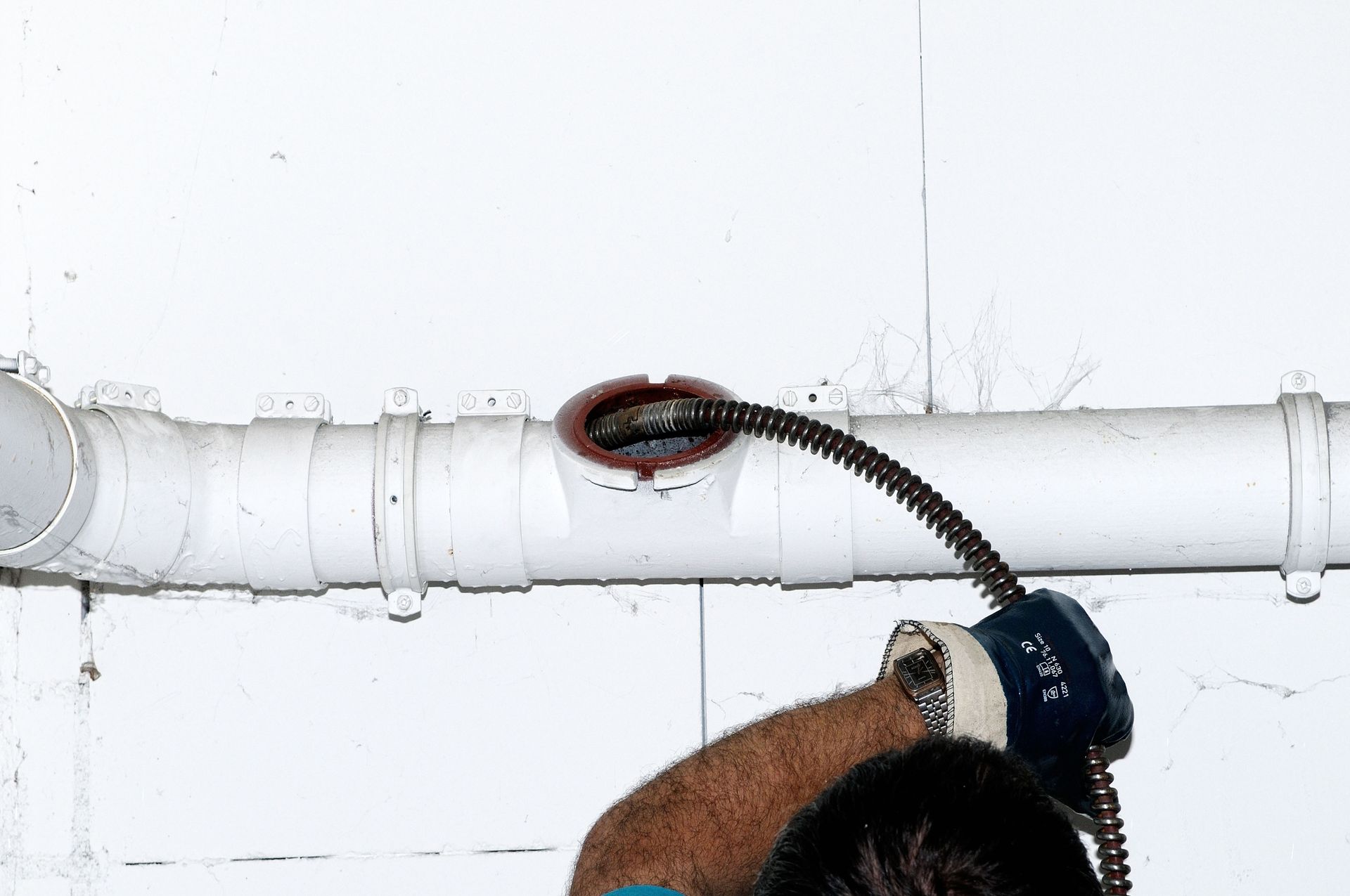
Slow drains throughout the house, gurgling sounds, sewage odors, or wet spots in yards indicate sewer problems requiring professional evaluation quickly. These symptoms signal blockages, breaks, or backups that will worsen without intervention, potentially causing extensive damage through sewage backup into homes. The early detection that recognizing symptoms provides allows repairs before complete failures create emergencies requiring urgent, expensive interventions during crises. Emergency sewer repair addresses immediate problems, though identifying issues early often allows planned repairs during convenient times rather than emergencies requiring instant response. Professionals diagnose problems through camera inspections, identifying exact issues and locations before recommending appropriate repair approaches based on actual conditions discovered. The diagnostic accuracy they provide ensures repairs address actual problems rather than guessing at solutions without knowing precise failure locations and causes.
Understanding Traditional Versus Trenchless Repair Methods
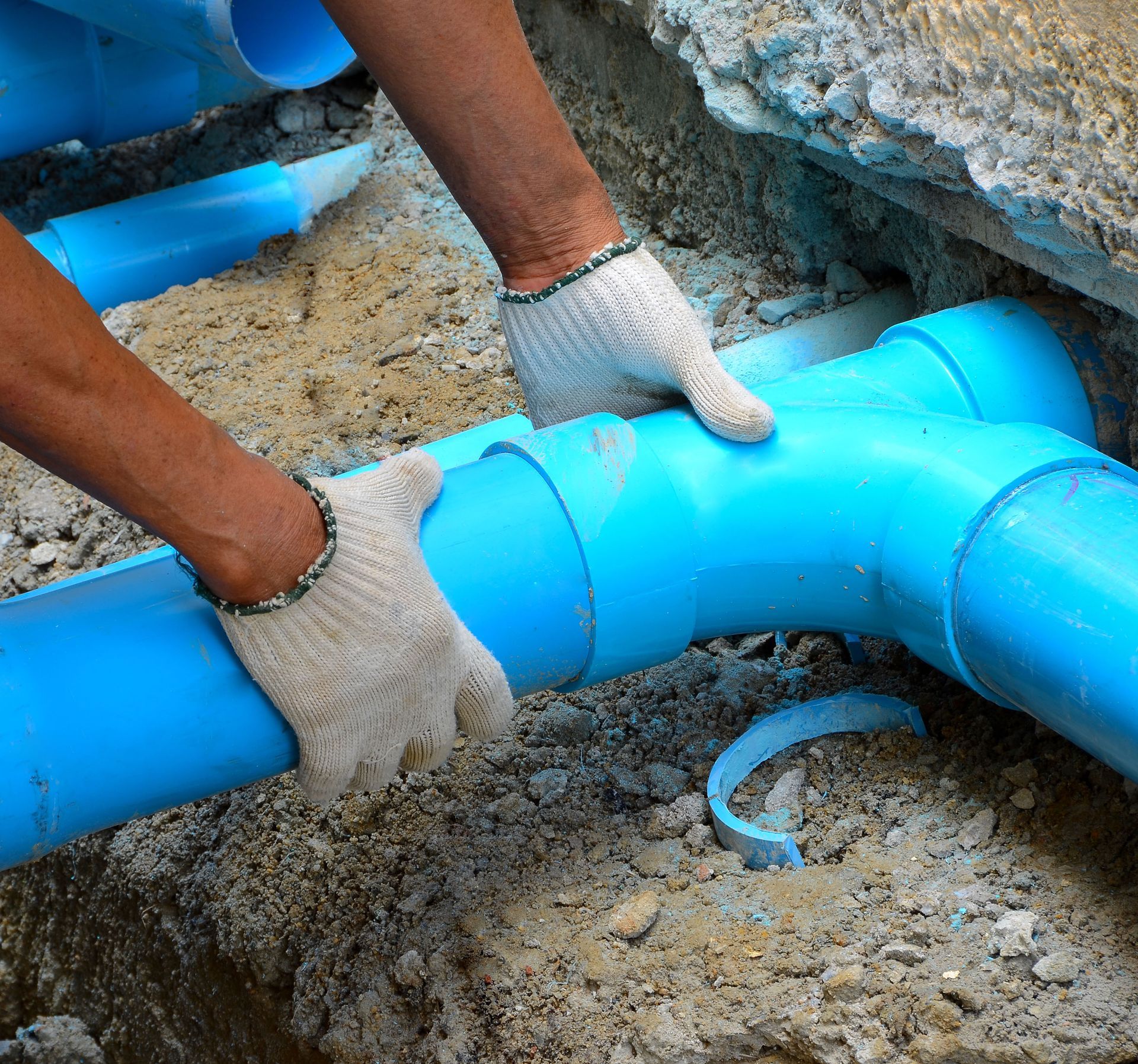
Traditional excavation requires digging trenches, accessing entire damaged pipe sections, creating significant landscape disruption, but allowing for complete visual inspection during repairs. Trenchless methods, including pipe lining and pipe bursting, minimize excavation, requiring only small access points while leaving most landscaping intact. The method selection depends on damage extent, pipe condition, accessibility, and whether complete replacement or partial repair proves most appropriate for the situation. Modern sewer repair offers both traditional and trenchless options, with professionals recommending approaches based on specific situations rather than always using one method. They explain the pros and cons of each approach, discussing costs, disruption levels, longevity expectations, and situations where each method proves most appropriate. The method expertise they bring helps homeowners understand options, making informed decisions about repair approaches, balancing costs, disruption, and long-term effectiveness appropriately.
Preparing for Property Disruption During Work
Sewer repairs often require excavating driveways, gardens, or landscaping, creating temporary disruptions that proper planning minimizes during necessary work completion. This disruption affects daily routines, property access, and aesthetics until restoration occurs following completed repairs and backfilling throughout affected areas. The preparation that understanding disruption allows helps homeowners make arrangements for parking, access, and activities during work periods, requiring patience and flexibility. Comprehensive repair planning includes discussing the extent, timeline expectations, and restoration procedures, ensuring homeowners understand what work involves before beginning projects. Professionals explain what areas need excavation, how long the work requires, and what restoration includes, preventing surprises about impacts on properties. The communication they provide helps families prepare adequately, making arrangements accommodating work requirements without unnecessary stress or confusion about what's happening.
Navigating Permits and Regulatory Requirements
Most municipalities require permits for sewer work, with inspections verifying code compliance and proper installation throughout repair processes, ensuring safety and quality. These regulatory requirements protect homeowners by ensuring work meets standards, though they add time and cost to projects requiring compliance. The permitting knowledge that professionals possess streamlines approval processes, preventing delays from incomplete applications or non-compliant proposals submitted without a proper understanding. Licensed sewer contractors handle permitting, coordinating inspections, and ensuring all work meets codes without requiring homeowner involvement in bureaucratic processes. They understand local requirements, maintain relationships with inspectors, and ensure compliance, preventing the problems that unpermitted work creates during sales or refinancing. The regulatory expertise they bring navigates requirements efficiently, allowing projects to proceed legally without the delays that permit complications to create unnecessarily.
Evaluating Contractor Qualifications and Experience
Sewer work requires specialized equipment, expertise, and licensing that general handymen lack, making qualified contractor selection essential for successful repairs. These qualifications include proper licensing, insurance, equipment ownership, and demonstrated experience with sewer systems requiring specific technical knowledge and capabilities. The contractor vetting that research allows helps identify qualified professionals rather than accepting whoever provides the lowest bids without verifying their actual capabilities. Qualified sewer repair professionals demonstrate licensing, provide insurance certificates, show equipment capabilities, and offer references from similar completed projects verifying their expertise. They explain their experience, discuss their approach, and provide confidence through demonstrated knowledge about sewer systems and repair methods available. The credential verification they welcome proves they're legitimate professionals rather than unlicensed operators lacking proper qualifications, insurance, or equipment for quality work.
Understanding Insurance Coverage and Claim Processes
Homeowners insurance typically excludes sewer line repairs, though some policies offer optional coverage through endorsements or riders specifically addressing these situations. This coverage gap surprises many homeowners facing unexpected repair costs without insurance assistance, making policy review important before problems develop. The insurance understanding that policy review provides helps homeowners know whether coverage exists or whether repairs become their financial responsibility entirely. Professional sewer contractors help document damage for insurance claims when coverage exists, providing detailed reports and photos supporting reimbursement requests. They explain what insurance typically covers, suggest reviewing policies, and provide documentation to help navigate claim processes when policies include relevant coverage. The insurance guidance they offer helps homeowners understand financial responsibilities, explore coverage options, and maximize reimbursement when policies provide applicable benefits.
Understanding Long-Term Prevention and Maintenance
After repairs, proper use and periodic inspections prevent future problems through the care that sewer longevity requires throughout system lifespans. This preventive approach includes avoiding flushing inappropriate items, controlling root intrusion, and scheduling inspections to identify developing problems before failures occur. The maintenance education that contractors provide helps homeowners protect their investments, extending repair longevity through appropriate use and timely attention. Experienced sewer professionals educate about proper system use, recommend inspection frequencies, and explain what homeowners should monitor to prevent future problems. They discuss root barriers, proper disposal practices, and warning signs requiring professional attention before minor issues become major failures. The preventive guidance they provide protects repair investments, helping homeowners avoid repeated problems through the careful use and monitoring that sewer systems require.
Understanding sewer repair processes helps homeowners navigate these challenging projects more effectively, making informed decisions about methods, contractors, and expectations. The knowledge that preparation provides reduces stress, prevents surprises, and ensures repairs proceed smoothly with minimal complications throughout completion. Making informed decisions about sewer work ensures problems receive appropriate professional attention, delivering lasting solutions rather than temporary fixes. Whether you need residential plumbing, commercial plumbing, or gas line services, R & R Plumbing and Salem Rooter Inc provides emergency services. For more information, contact us today!