August 24, 2026
Learn everything you need to know about local sewer repair, including essential concepts, techniques, and how to prevent future issues. This comprehensive guide provides detailed insights into maintaining a healthy and functional sewer system.
Understanding Sewer Systems
The Function of a Sewer System
Sewer systems are essential infrastructure designed to transport waste water away from homes and businesses to treatment facilities. They work by using a series of pipes and pumps to ensure waste is managed efficiently and hygienically. This ensures a healthy environment and helps to prevent contamination of local waterways and public spaces. Efficient sewer systems are vital for public health and the environment. Without them, cities and towns would face significant sanitary and health challenges.
The design of a sewer system is typically influenced by the topography of the area, with gravity helping to move sewage when possible. Where gravity cannot be used, pumping stations are essential to maintain flow. Modern systems may include various treatment stages to remove contaminants before the water is released back into the environment. Every component, from pipes to treatment plants, must work harmoniously to ensure efficiency and safety. With growing urban populations, maintaining and upgrading sewer systems becomes increasingly important.
Moreover, a sewer system aligns with urban planning and development strategies. They are integral to the infrastructure that supports the growth of modern societies. Properly maintained sewer systems prevent overflows and backups, which can have serious environmental and public health consequences. Therefore, understanding the function of these systems is beneficial for homeowners and vital for urban developers. Regular inspections and maintenance are key to ensuring they work as intended.
Components of a Typical Sewer System
A typical sewer system consists of various components that each play a specific role in managing waste. The main sewer line is the largest pipe, responsible for carrying wastewater to treatment facilities. It connects to smaller lateral lines that collect waste from individual properties. In addition to these pipes, manholes allow for monitoring and access to the system for maintenance purposes. Pumping stations are needed in areas where gravity alone cannot move wastewater efficiently.
The system also relies on vents to allow gases to escape, preventing pressure build-up that could lead to dangerous situations. Each component must be designed and maintained to withstand the daily flow of waste while adhering to strict regulations. Materials used, such as PVC, concrete, or cast iron, must be chosen based on durability and suitability to the environment. This infrastructure is a significant investment that urban planners and maintenance teams are responsible for maintaining and updating. Advances in technology, such as sensor-enabled systems, are helping to better manage and monitor these components.
Additionally, treatment facilities play a crucial role in ensuring that the effluent discharged into the environment is safe. They employ various chemical, physical, and biological processes to cleanse water of contaminants. This stage is essential in protecting ecosystems and water sources from pollution. Regular maintenance and upgrades of these facilities are vital to handle fluctuations in volume and new contaminant challenges. Thus, sewer system components must be efficiently coordinated to function at their best.
Types of Sewer Systems: Combined vs. Separate
Sewer systems are generally classified into two types: combined and separate systems. Combines sewer systems handle both stormwater and wastewater through the same pipes. They are often older systems found in cities that were built before modern sanitation engineering principles were established. During heavy rainfall, combined sewer systems can become overloaded, leading to potential overflows. This can result in the discharge of untreated sewage into local waterways, posing environmental and health risks.
In contrast, separate sewer systems have distinct pipes for wastewater and stormwater. This separation helps to prevent the risk of system overload and reduces the likelihood of untreated sewage being released. Separate systems are more costly to install but offer greater environmental protection. They are considered the modern standard for new developments and renovations. Maintaining both types effectively requires a clear understanding of their design and operational nuances.
Homeowners should be aware of which type of system serves their property as it influences maintenance strategies. According to This Old House, owners of older homes should have their main sewer line inspected this way at least once every 10 years. Understanding the differences helps in recognizing potential issues that may arise based on system design. It's also crucial for planning upgrades or emergency repairs. The choice between combined and separate systems can influence municipal planning and investment decisions.
Common Sewer System Problems
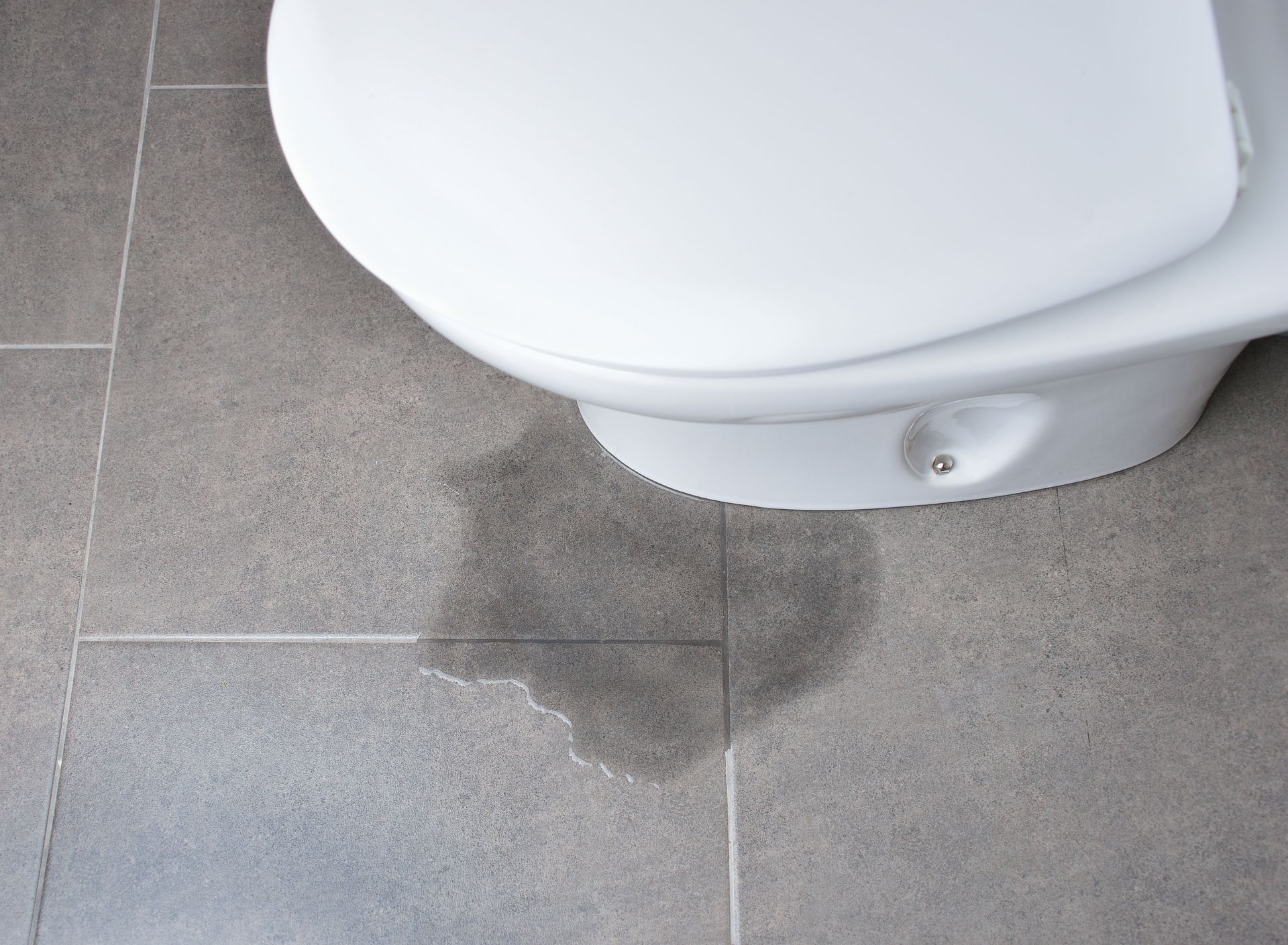
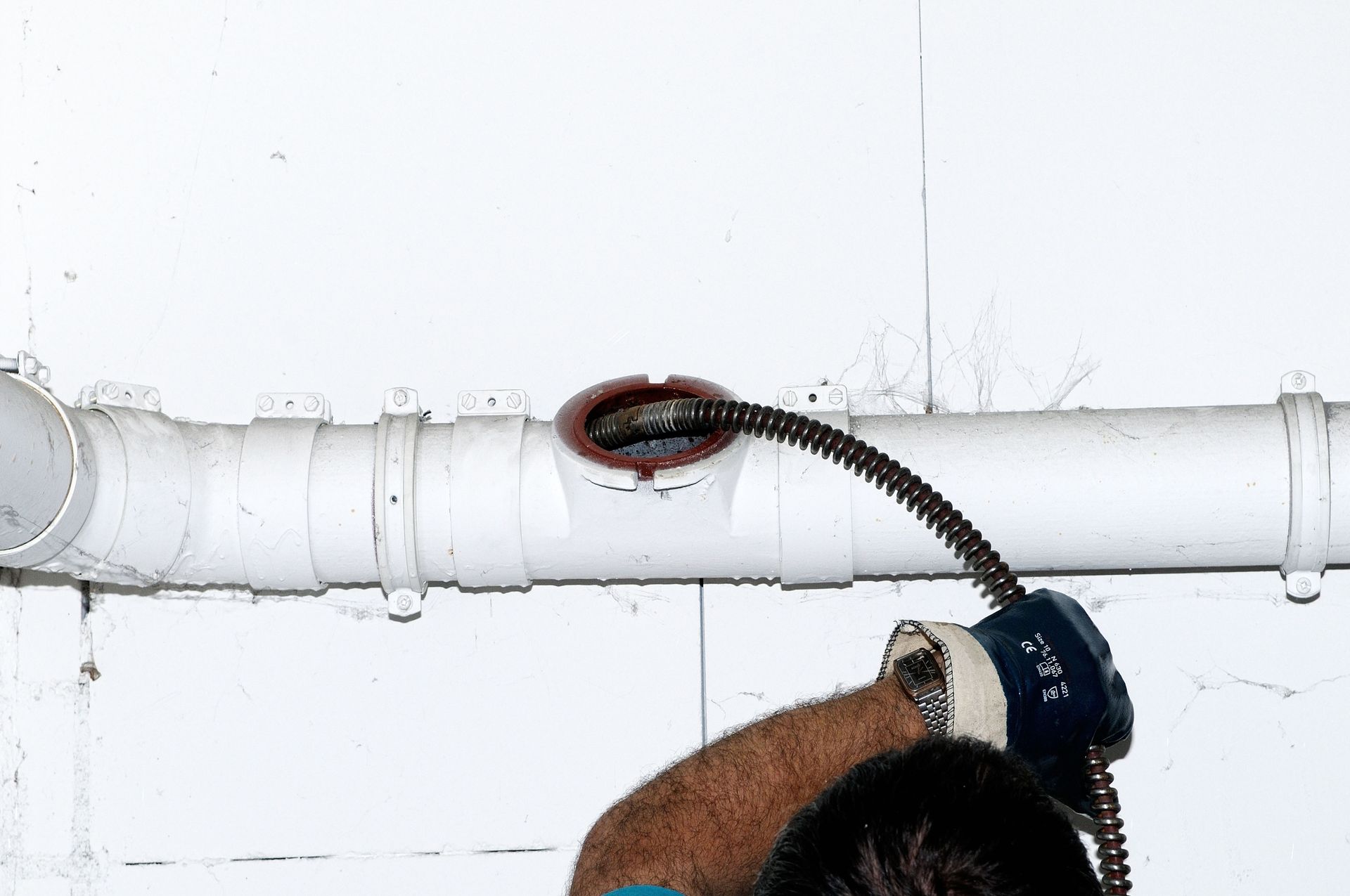
Sewer systems are prone to several common problems, such as blockages, leaks, and root intrusions. Blockages can occur from the buildup of debris, grease, or inappropriate materials being flushed down toilets or drains. Such blockages can cause backups, leading to potential interior flooding and health hazards. Regular inspection and cleaning of sewer lines are crucial to prevent these issues. Professional services often use equipment like hydro jets to clear stubborn blockages.
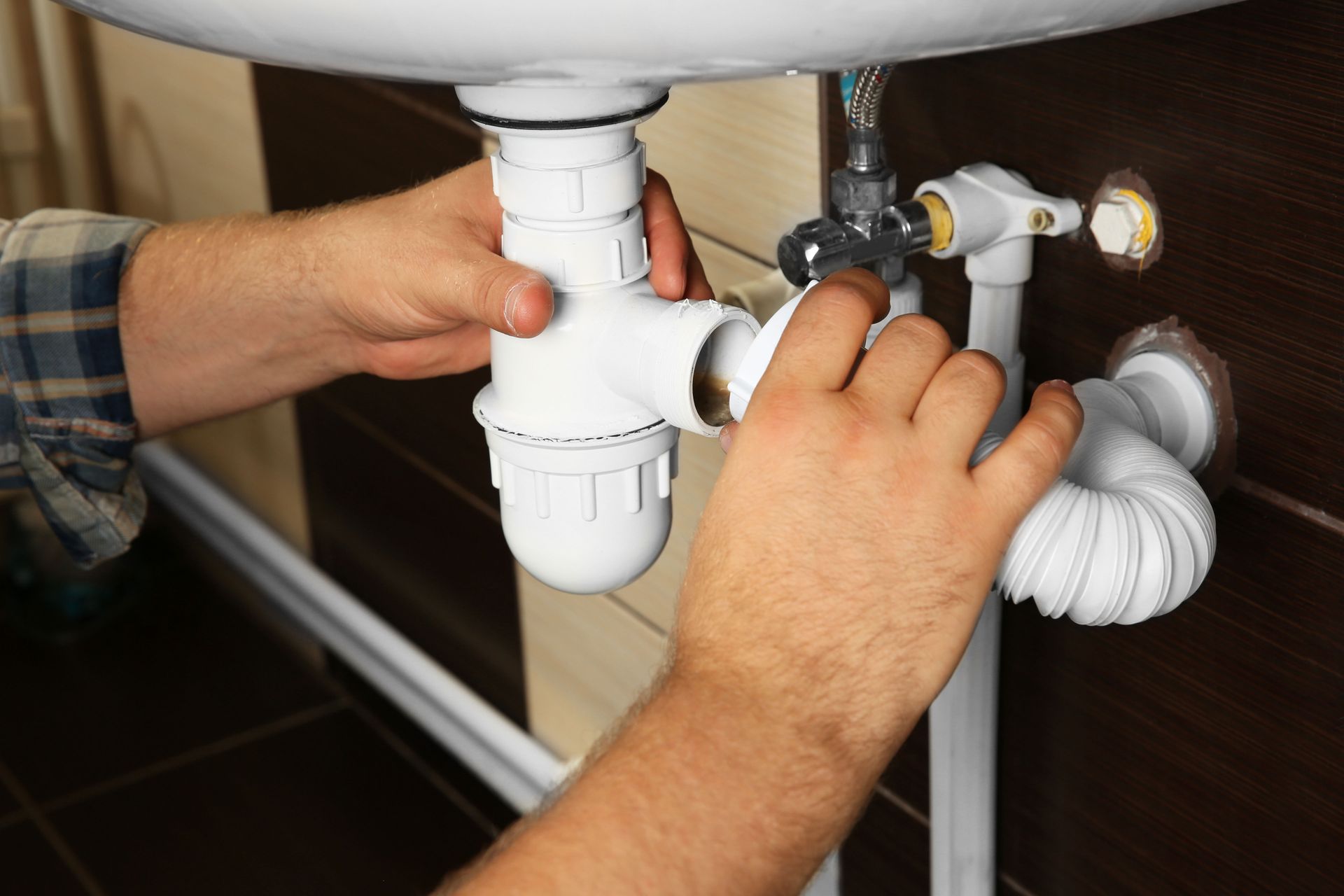
Leaks are another common issue, often caused by aging infrastructure, ground movement, or poor installation practices. These leaks can lead to soil contamination and erode the surrounding area, potentially causing sinkholes. Early detection is key, often requiring sophisticated tools like CCTV cameras to inspect pipes. Maintenance teams should prioritize repairs to avoid more significant issues and disruptions. Addressing leaks quickly helps preserve the lifespan of the sewer system.
Tree roots are a persistent problem for sewer systems, as they naturally seek out moisture and can penetrate weak points in pipes. Root intrusion can cause severe blockages and damage pipes, leading to costly repairs. Preventative approaches include selecting appropriate vegetation near sewer lines and regular monitoring. Specialized cutting equipment or chemical root killers may be used to manage established root problems. Understanding and addressing these common issues ensures the entire system functions optimally.
Regulations and Standards for Sewer Systems
Sewer systems must comply with a myriad of regulations and standards to ensure public health and environmental safety. These regulations are often set by federal, state, and local government bodies, encompassing everything from design criteria to maintenance procedures. Compliance with these standards is non-negotiable and essential for the legal operation of sewer systems. Failure to adhere can lead to substantial fines, legal issues, and environmental damage. Efficient compliance requires staying informed on any updates or changes to these regulations.
The Clean Water Act is one of the primary legislative frameworks governing sewer systems in the United States. It sets out the responsibilities of municipalities to manage pollutants and establish water quality standards. This Act, along with others, mandates rigorous monitoring to ensure that wastewater treatment is effective. Advanced treatment technologies and best management practices are frequently developed to meet these standards. Regular audits and inspections are part of compliance assurance, providing a check on system performance.
Furthermore, many local authorities implement additional standards to address specific regional challenges. For instance, regions prone to heavy rainfall may have stricter requirements for flood prevention and management. Engineers and planners must consider these standards during both the design and operational phases of sewer systems. Engaging with local authorities can provide valuable guidance and support in meeting regulatory obligations. Adopting these standards is not only a legal requirement but also a commitment to safeguarding community health and the local ecosystem. Be sure to reach out to R & R Plumbing and Salem Rooter Inc for more information on our professional local sewer repair!