January 23, 2026
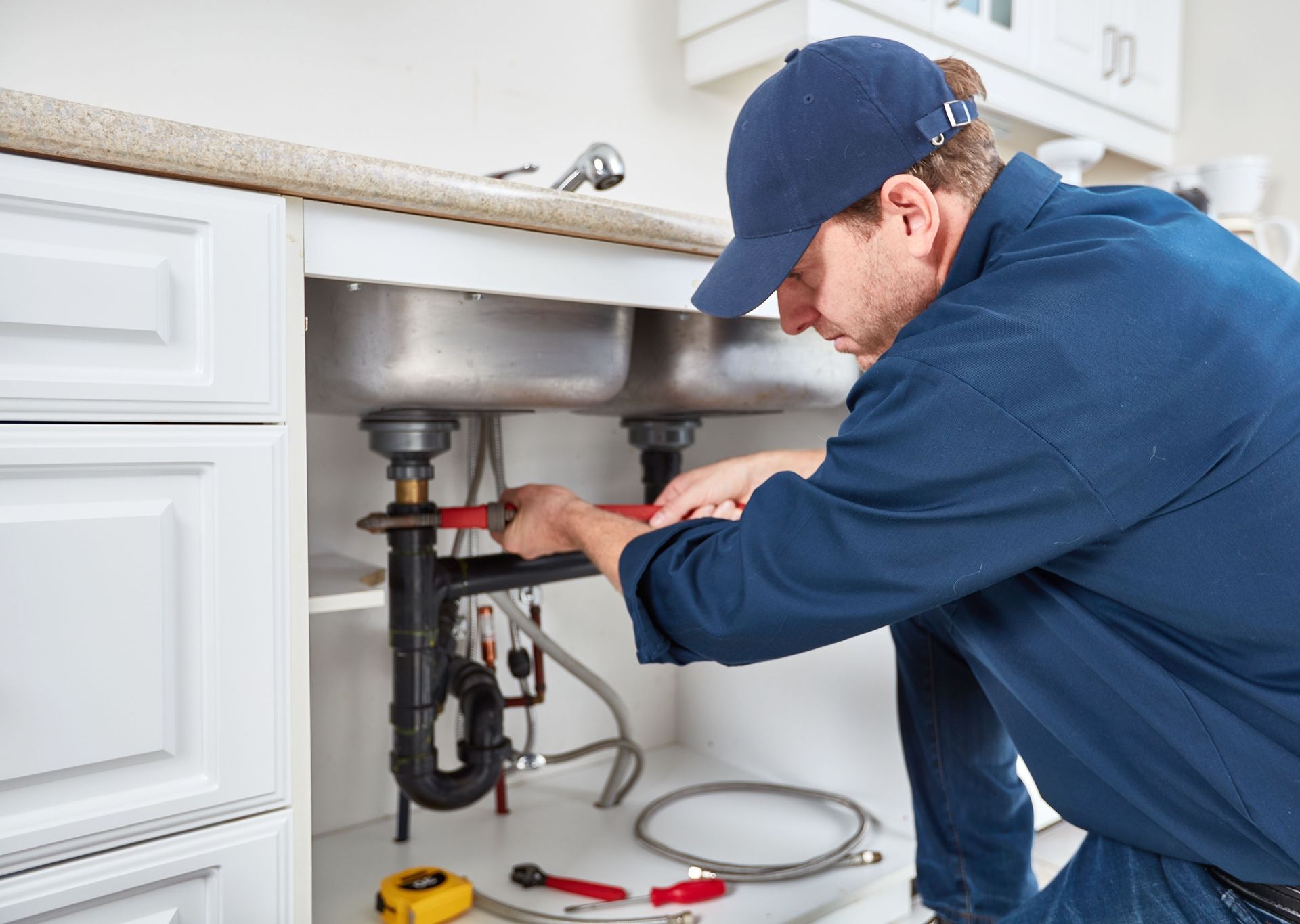
In the realm of commercial building maintenance, finding a skilled and reliable plumber is crucial. Many building managers rely on local commercial plumbers because the right plumber ensures that plumbing systems function efficiently, preventing costly damages and disruptions. This article provides a comprehensive guide to selecting the best local commercial plumber for your building needs. Proper navigations through various considerations will help building managers optimize operations and protect investments. By strategically assessing various plumbing service factors, management can secure long-term stability and safety in building maintenance.
Understanding Your Plumbing Needs
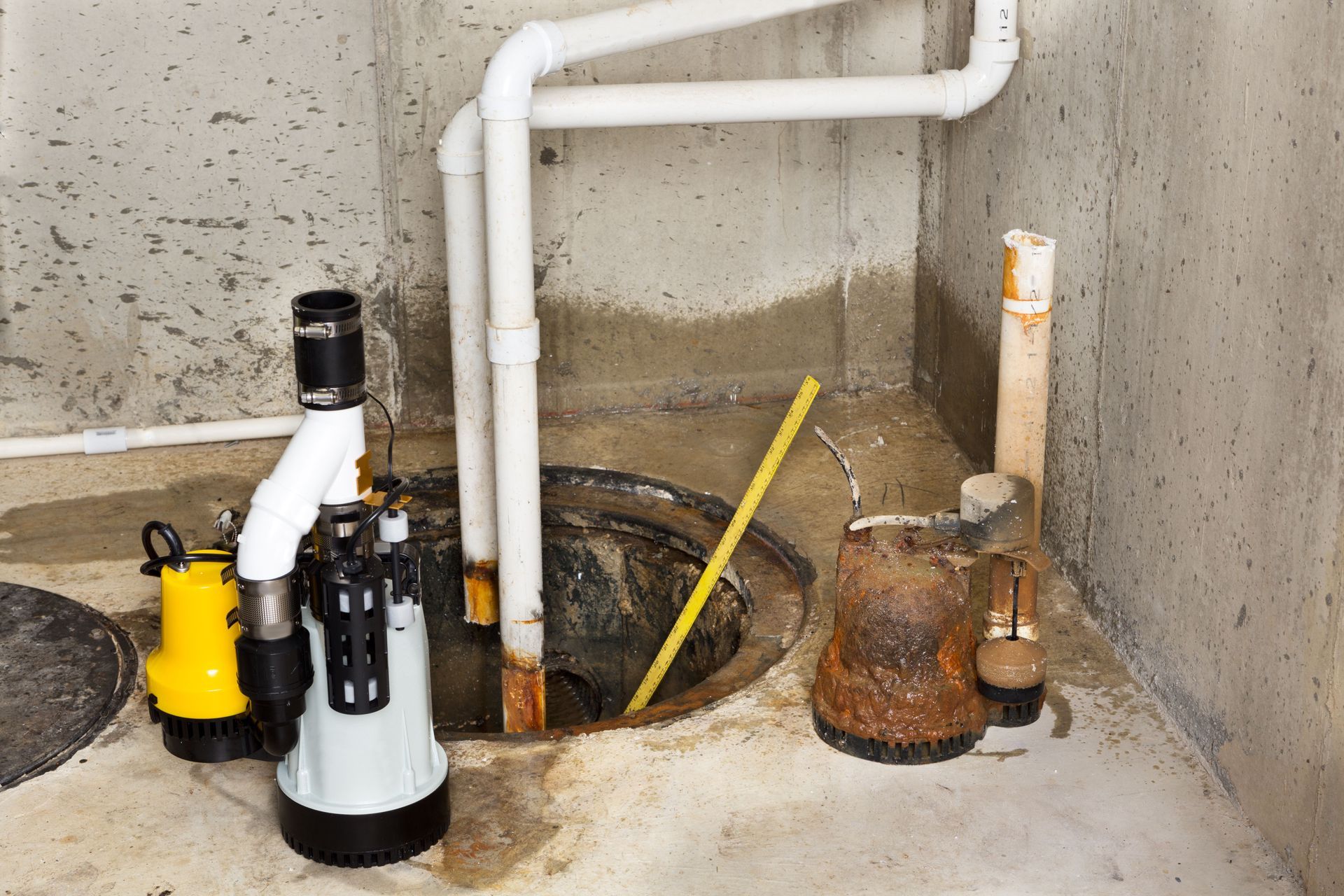
The age of a building can significantly influence its plumbing needs. Older buildings are likely to have outdated plumbing systems that may require specific expertise for repairs or replacements. Older pipes, particularly ones made of materials like lead, can pose health risks and require urgent attention to replace. Understanding the history of the building's plumbing can help determine if any foundation shifts or weathering have caused potential issues with pipelines. Ultimately, accurately assessing the condition of the existing system is necessary to make informed decisions about maintenance and repairs.
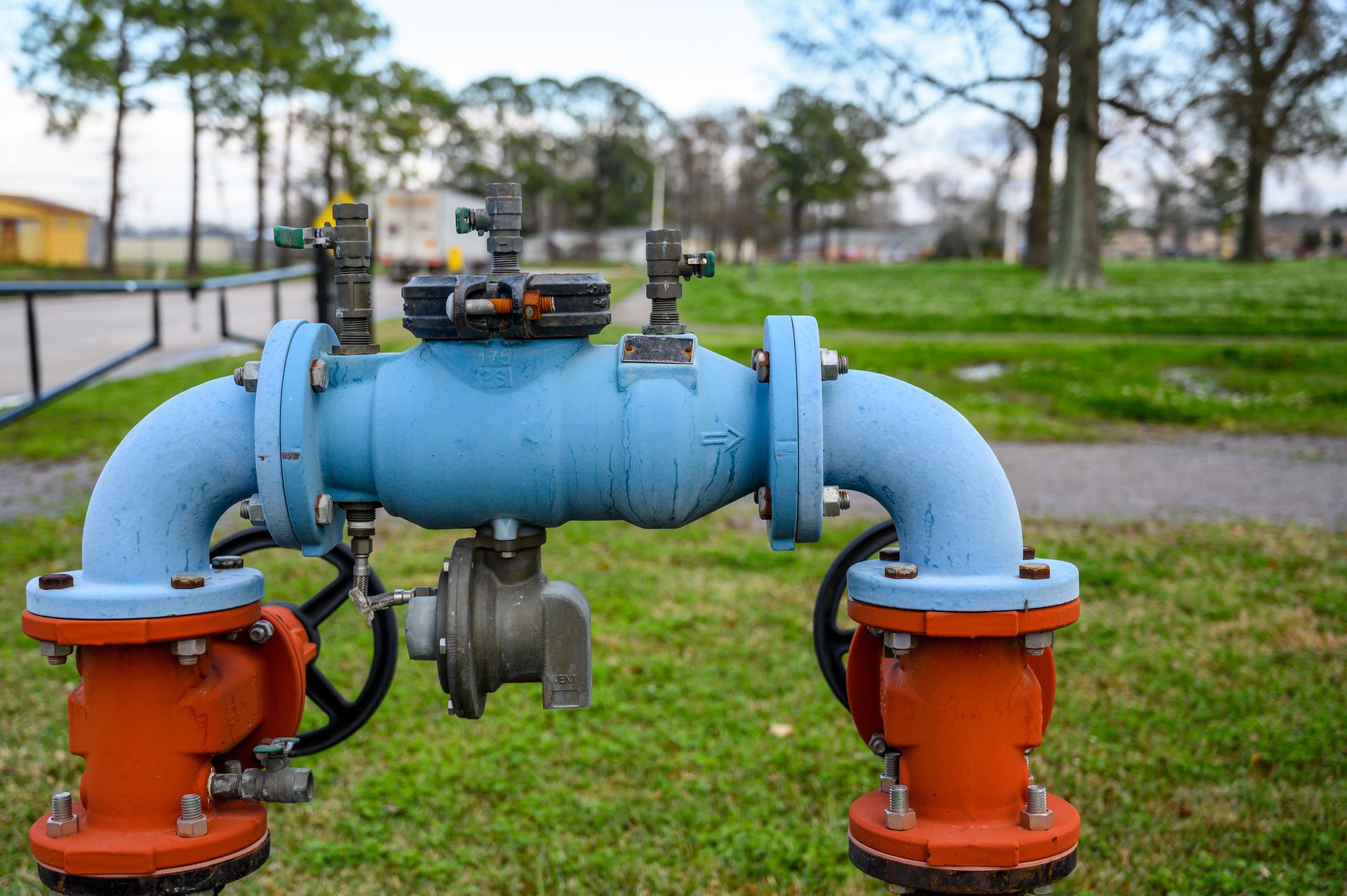
Commercial buildings face several common plumbing challenges that can disrupt operations. These issues include leaks, clogs, water pressure problems, and malfunctioning fixtures. Each problem requires specific solutions, which necessitates hiring a professional well-versed in commercial plumbing demands. Preventative measures, such as regular maintenance, can help identify and mitigate these issues before they escalate. It's essential to understand the particular proclivities of commercial plumbing systems to address them effectively.
The frequency of required plumbing services is heavily influenced by the usage and type of the building. High-traffic buildings or those with specialized plumbing installations will need more regular assessments to ensure there are no impending failures. Timing is also crucial, as emergency services can be more costly than scheduled maintenance. Building managers should coordinate with their plumbing service providers to establish routine inspections that fit within operational schedules. Proactive engagement in maintenance planning can significantly reduce unexpected downtime and repair costs.
Researching Qualified Plumbers
Verifying a plumber's licenses and certifications is critical when assessing their qualifications. Proper credentials ensure the plumber has undergone the necessary training and adheres to regional regulations. Building managers often turn to local commercial plumbers to safeguard the reliability of the services rendered. Tracking specialized certifications can also offer insights into the plumber's expertise in handling unique commercial applications. This level of diligence not only protects the building's wellbeing but also ensures compliance with local construction and safety regulations.
Experience plays a significant role in determining a plumber's ability to handle complex commercial systems. Those with extensive backgrounds are likely to have encountered and effectively resolved a variety of plumbing issues. Specializations, whether in certain systems or industries, can provide a competitive edge for plumbers and a peace of mind for building managers. It is advisable to choose professionals who have demonstrated expertise in areas specifically relevant to your building's needs. Identifying robust, targeted experience secures tailored and expert care of plumbing infrastructure.
According to Andy Beal, 68% of customers are influenced by positive reviews while 40% are deterred by negative ones. This highlights the importance of evaluating a plumber's reputation based on client feedback. Online reviews and testimonials offer firsthand accounts of customer experiences, helping decision-makers gauge service quality. Many reviews specifically highlight how responsive local commercial plumbers can be, providing a balanced view of a plumber's reliability and customer service standards. Building managers should delve into these reviews, considering patterns and responses to any reported issues, to choose a plumber known for consistency and satisfaction.
Evaluating Quotes and Service Offers
A detailed quote sets the foundation for transparent and predictable plumbing services. Essential components of a comprehensive quote include itemized costs, timelines, and detailed service descriptions. Such comprehensive documentation assists in aligning service expectations with deliverables and preventing future misunderstandings. Building managers should ensure that every detail is well-outlined, from labor costs to equipment usage. Demanding transparency in quotations protects against surprises and ensures budget adherence throughout the project.
While upfront costs might draw focus, the true value of a service lies in its delivery. Cost should never outweigh the significance of quality, as investing in substandard work might incur more expenses in the long run. Evaluating the balance between cost and quality ensures sustainability in your plumbing systems' maintenance. Moreover, discernment in cost assessment deters potential issues stemming from inadequate or improper service. Building managers need to identify plumbers who deliver exceptional value through skilled workmanship and competitive pricing.
Guarantees and warranties offer protection for plumbing services rendered, marking professionalism and faith in one's work. A solid warranty implies that the plumber stands behind the quality of their output, offering remediation if issues arise. Understanding these assurances can alleviate concerns for building managers, ensuring continued service quality and reliability. They must scrutinize what each guarantee covers and the processes involved in invoking respective warranties. This understanding forms a safeguard, protecting interests and investments in the event of disputes or service failures.
Assessing Communication and Professionalism
First impressions often set the tone for subsequent interactions with potential plumbers. A plumber who communicates clearly and promptly in initial engagements likely demonstrates reliability and accountability. Responsiveness showcases a willingness to prioritize client concerns and needs, fostering trust. Observing how quickly and effectively a plumber communicates initially can hint at ongoing interactions and service quality. Building managers should take note of these experiences as insightful indicators of the plumber's professionalism and dedication to customer satisfaction.
Clear and effective communication plays a pivotal role in the success of any commercial plumbing project. A plumber who listens to concerns and explains solutions comprehensively helps align understanding and expectations. Detailed communication avoids misunderstandings, ensuring all service aspects align with the building';s needs. The ability to articulate issues and proposed interventions can significantly influence the outcomes of plumbing services. Regular, open dialogue maintains transparent communications essential for the smooth execution of maintenance and repair tasks.
A professional demeanor during consultations offers a preview of a plumber's overall work ethic and service quality. Professionals who approach consultations with clear agendas and regard for customer inputs exhibit competence and respect. Observing how a plumber conducts themselves during these initial meetings aids in assessing their reliability and suitability. Many organizations prefer to work with local commercial plumbers who demonstrate both confidence in their expertise and consideration of client inputs. This professionalism forms the basis for a positive working relationship, crucial for long-term engagement.
Investigating Safety and Compliance Standards
Adherence to local building codes is essential when hiring a plumber for commercial establishments. Compliance assures building managers that services adhere to safety standards designed to protect occupants and infrastructure. Ensuring that potential plumbers understand and meet these requirements eliminates risks of legal repercussions or structural failures. It creates a secure environment for both employees and clients, forming a foundational element of overall building safety protocols. Building managers must insist on adherence to and updates regarding the latest building code standards.
Choosing the right local commercial plumber involves thorough research, careful evaluation, and clear communication. With this guide, building managers can confidently select a plumbing professional that not only meets their immediate needs but can also serve as a trusted partner for ongoing maintenance, ensuring the safety and efficiency of commercial plumbing systems for years to come. Properly selecting a plumber involves assessing various elements such as qualifications, communication skills, service guarantees, and adherence to safety standards. Through strategic selection and engagement, building managers can build robust partnerships that keep plumbing systems efficient and compliant with industry standards. For more information about the services that we offer, reach out to our incredible team at R & R Plumbing and Salem Rooter Inc today! Many businesses find that maintaining relationships with local commercial plumbers helps streamline long-term maintenance and emergency service needs.