July 14, 2026
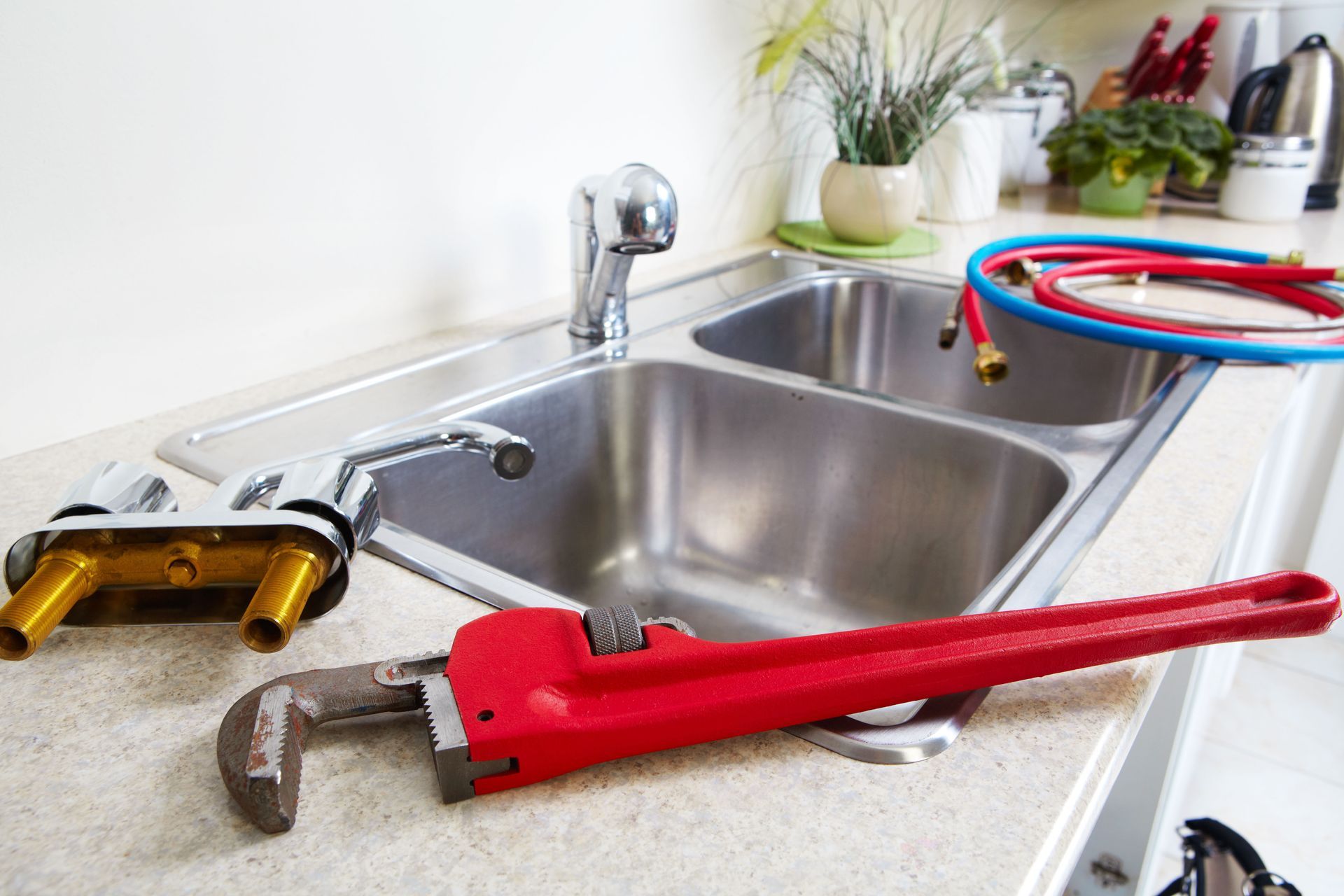
Your bathroom is arguably one of the most critical spaces in your home. From morning routines to evening relaxation, this room sees a massive amount of daily traffic. Because of this constant use, the intricate plumbing system behind your walls and under your floors must work flawlessly day in and day out. Sadly, many homeowners take their bathroom fixtures for granted until a major issue arises. Understanding the basics of your bathroom plumbing can save you from catastrophic water damage and expensive repairs. While some minor maintenance tasks can be handled with a plunger and a little DIY spirit, knowing the intricacies of your system helps you recognize when a situation demands professional intervention. In this comprehensive guide brought to you by R & R Plumbing and Salem Rooter Inc, we will explore the essential components of your washroom to help you maintain your home before you end up needing an emergency plumber.
1. Locate Your Main Water Shut-Off Valve
The most important piece of plumbing knowledge every homeowner should possess is the location of the main water shut-off valve. Your bathroom contains multiple fixtures—the toilet, the sink, the shower, and the bathtub—that all rely on a steady flow of water. If a pipe suddenly bursts or a fixture valve fails, water can flood your bathroom in a matter of minutes, causing thousands of dollars in structural damage to your flooring, baseboards, and the ceilings below. In these critical moments, you will not have time to search the internet for help. You must be able to quickly shut off the water supply to the entire house immediately. Once the water is successfully stopped and the threat is mitigated, you can then assess the damage and contact an emergency plumber to repair the compromised pipe. Take a moment today to find this valve and ensure it turns easily.
2. Understand Your Sink Supply Lines
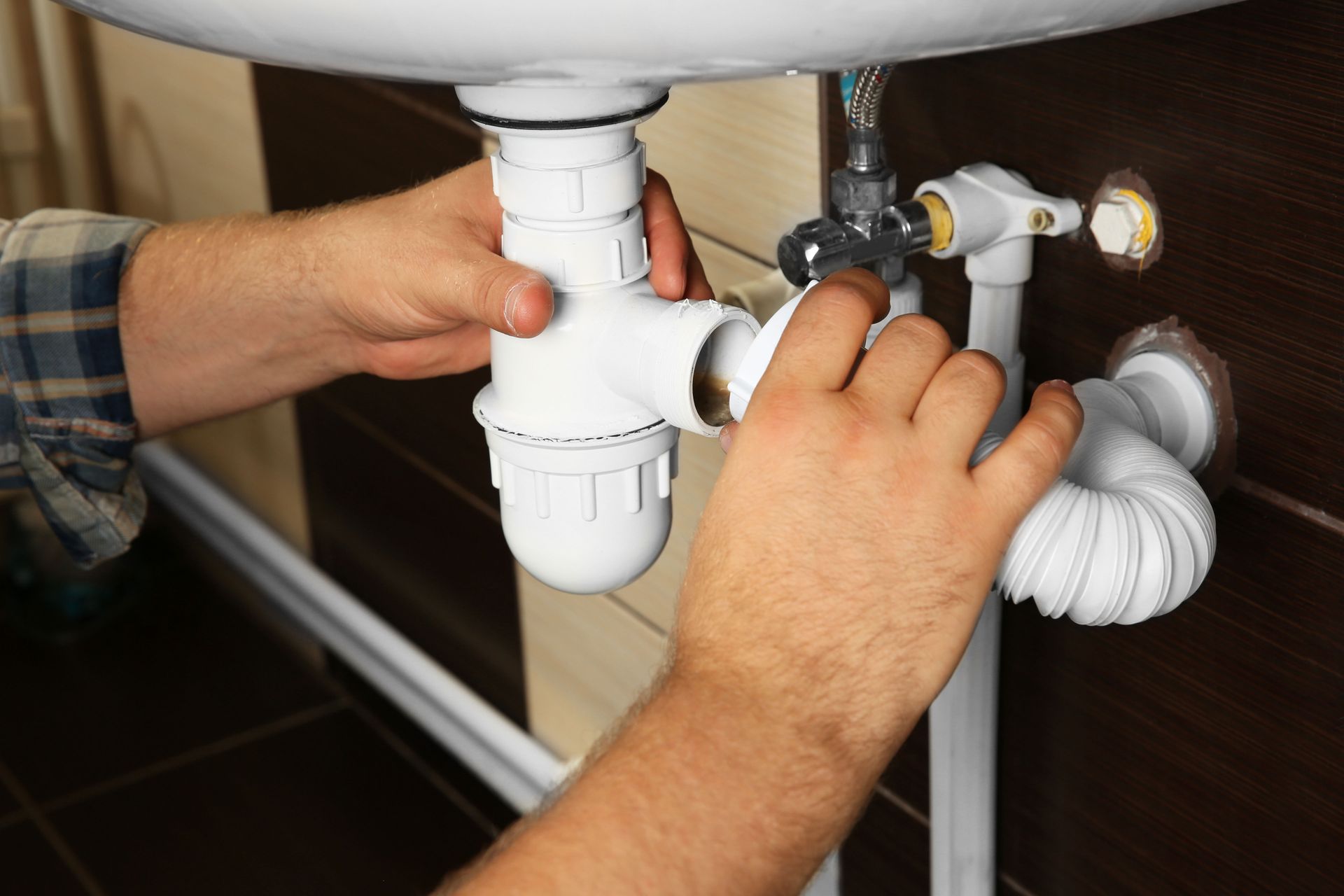
When you look under your bathroom sink, you will see a network of pipes and hoses. The two smaller hoses connecting your home's main water pipes to the faucet are known as the supply lines—one for hot water and one for cold water. These lines are under constant pressure and are a common source of leaks if they become brittle or loose over time. According to The Spruce, bathroom sink water supply lines are typically 1/2- or 3/8-inch in diameter. Knowing this specific measurement is incredibly helpful if you ever need to replace a failing line yourself or if you are purchasing upgraded fixtures for a bathroom remodel. However, if you notice pooling under your vanity, bring in an emergency plumber to replace the fittings before they completely detach and flood your flooring.
3. Respect What Goes Down Your Toilet
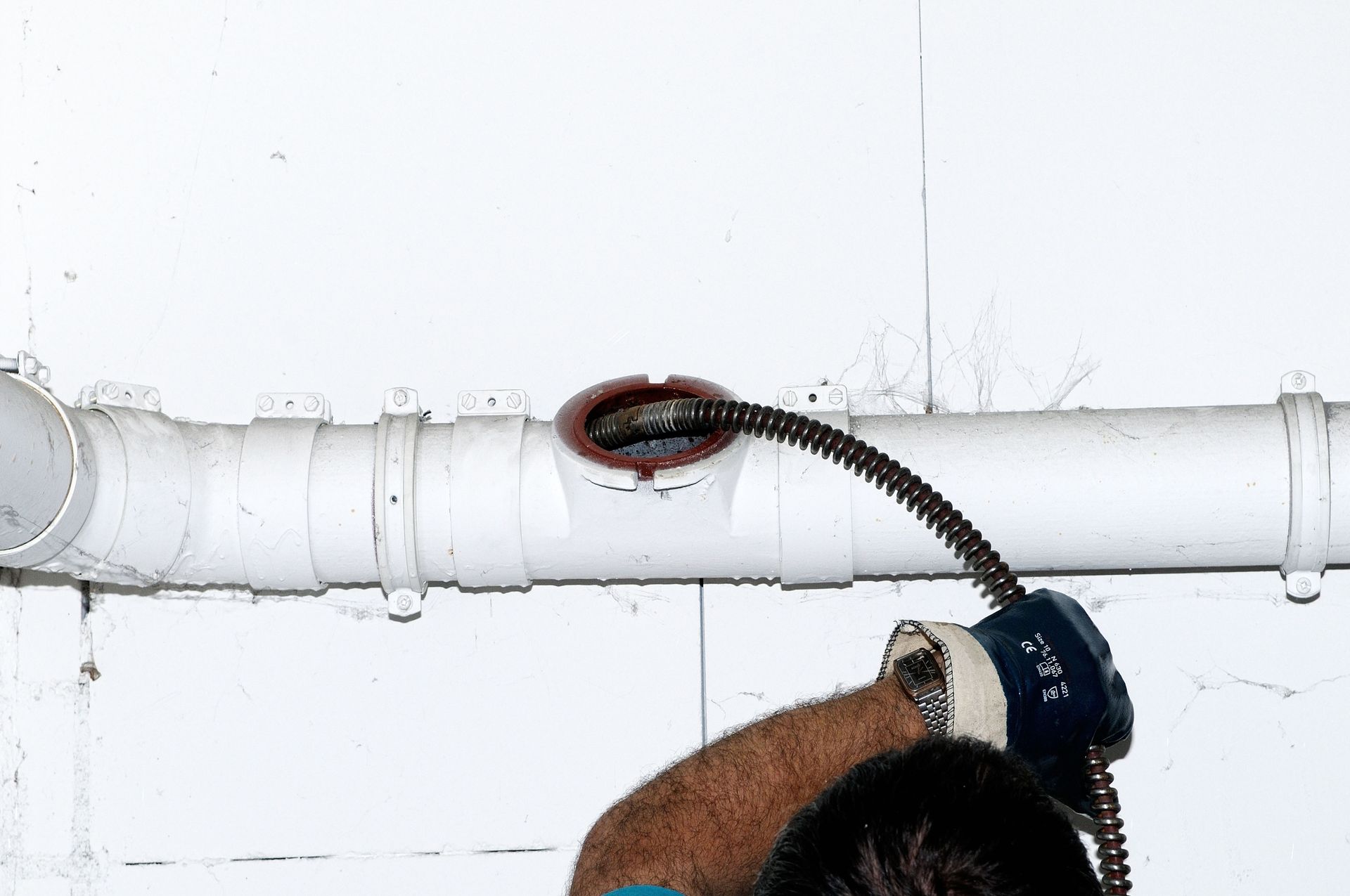
Your toilet is a designed fixture, but it is engineered to handle only human waste and toilet paper—nothing else. Despite the misleading marketing claims on many personal hygiene products, "flushable" wipes are actually a leading cause of severe residential plumbing backups. These thick wipes do not break down in water the way standard toilet paper does. Instead, they accumulate in your drainage pipes, combine with hair and soap scum, and create massive blockages. Additionally, you should never flush feminine hygiene products, cotton swabs, dental floss, or paper towels. Treating your toilet bowl like a trash can will inevitably lead to a stubborn clog that a standard plunger simply cannot fix. When raw sewage begins backing up into your bathtub or overflowing onto the bathroom floor, you will have no choice but to hire an emergency plumber to snake the drain or clear the main sewer line.
4. Monitor Your Home's Water Pressure
Most homeowners assume that high water pressure is a good thing, especially when taking a shower. However, excessively high water pressure is actually one of the most destructive forces in a residential plumbing system. Over time, this constant stress will cause seals to blow out, pipes to leak, and expensive fixtures to fail prematurely. You can test your home's water pressure by attaching a simple, inexpensive gauge to an outdoor spigot or laundry room faucet. If the reading is consistently too high, a pressure-reducing valve (PRV) needs to be installed on your main water line. This is a complex job best left to an experienced emergency plumber who can ensure proper installation and perfect system calibration.
5. Prevent and Address Drain Clogs Early
Bathroom sink, bathtub, and shower drains are highly susceptible to clogging due to the daily accumulation of hair, soap scum, and toothpaste residue. Initially, a forming clog might present itself as a slightly slow-draining sink or a shallow pool of water gathering in the shower. Many homeowners make the mistake of ignoring these early warning signs or pouring harsh chemical drain cleaners down their pipes. Chemical cleaners generate intense heat that can severely corrode metal pipes and even melt PVC, causing far more harm than good in the long run. Instead, use a plastic drain snake or a biological enzyme cleaner to address minor slowdowns safely. If the water completely stops draining or if multiple drains in your house are backing up simultaneously, this indicates a deep blockage, necessitating a call to an emergency plumber to safely clear the obstruction.
6. Recognize the Signs of Hidden Leaks
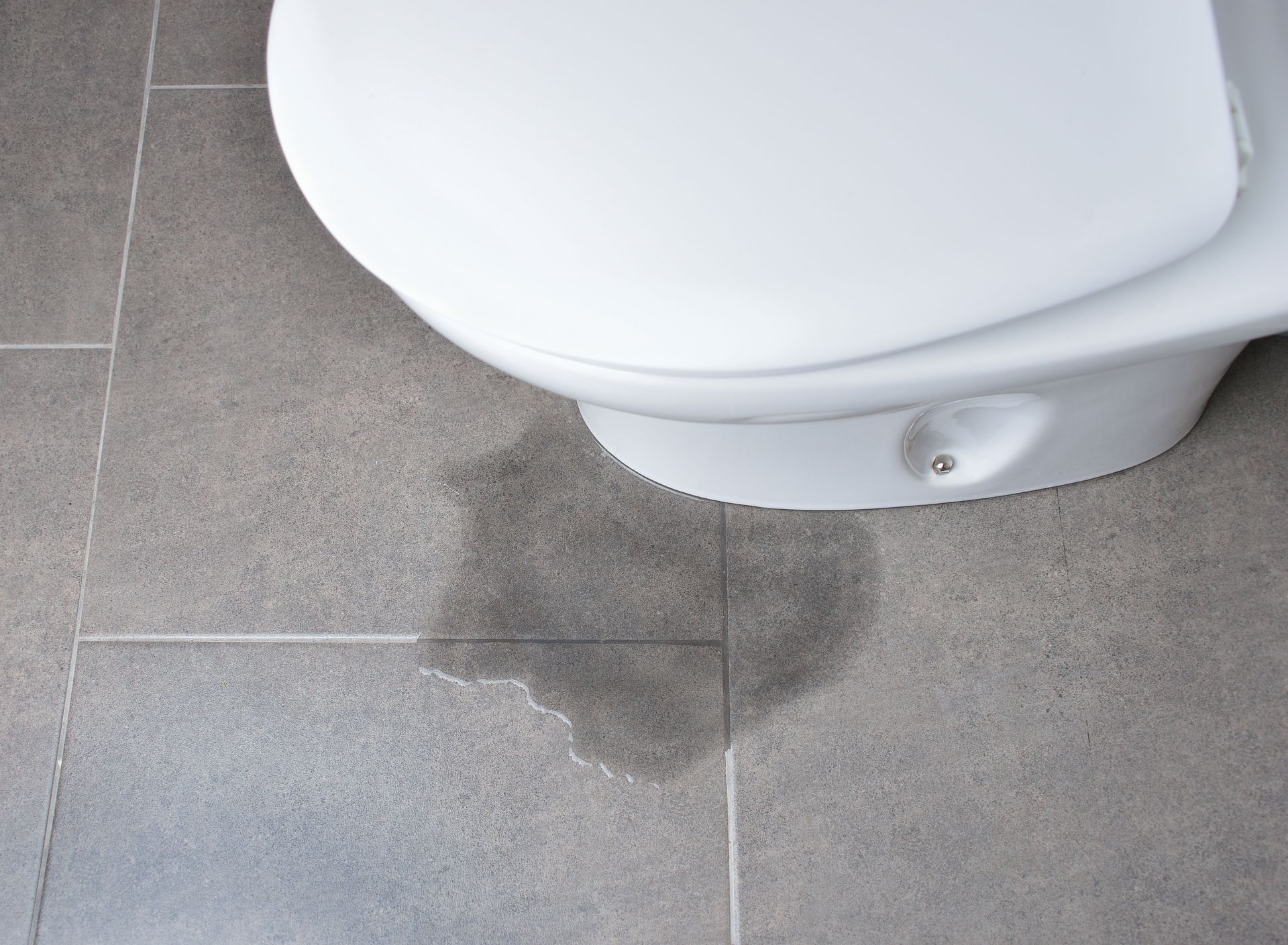
Not all severe plumbing issues announce themselves with a dramatic spray of water. Some of the most damaging problems in a bathroom are silent, hidden leaks occurring behind walls or beneath the flooring. Over time, even a tiny pinhole leak in a supply line can rot wood framing, destroy drywall, and promote the growth of hazardous black mold. Pay close attention to subtle signs such as unexplained musty odors, peeling paint near the shower enclosure, dark water stains appearing on the ceiling below a second-story bathroom, or spongy floorboards around the toilet base. Furthermore, if your monthly water bill suddenly spikes without any corresponding increase in usage, a hidden leak is the most likely culprit. Do not attempt to tear open the drywall yourself; instead, contact an emergency plumber equipped with advanced acoustic leak detection technology to pinpoint the exact source safely.
7. Know When to Call a Professional
While there is great value in being a proactive homeowner who tackles minor household maintenance, it is equally important to recognize your limitations. Attempting complex plumbing repairs without the proper tools, professional training, and necessary permits can result in disastrous consequences that might even void your home insurance policies. Replacing a basic showerhead or swapping out an old, worn toilet flapper are great weekend DIY projects. However, rerouting major supply pipes, installing a new water heater, fixing a heavily leaking main valve, or dealing with an overflowing sewage system definitely require professional expertise. When you realize you are out of your depth, calling the experts at R & R Plumbing and Salem Rooter Inc is the smartest decision you can make. While we certainly hope you never face a catastrophic pipe burst, knowing a reliable emergency plumber can provide you with invaluable peace of mind.
Ultimately, your bathroom plumbing is a complex system that requires respect and regular maintenance to function efficiently for years to come. By locating your main shut-off valves, respecting what goes down your drains and toilets, monitoring your household water pressure, and staying vigilant for the subtle signs of hidden leaks, you can significantly extend the lifespan of your fixtures and piping. Remember that preventative care and routine maintenance are always more cost-effective than disaster recovery. For all your residential plumbing needs, from minor repairs and fixture updates to major pipe renovations, you can confidently trust the expert team at R & R Plumbing and Salem Rooter Inc. We are committed to providing top-tier service to our local community. Contact us today to learn more about our comprehensive plumbing services and discover exactly how we can help keep your home’s essential plumbing in perfect working order.